
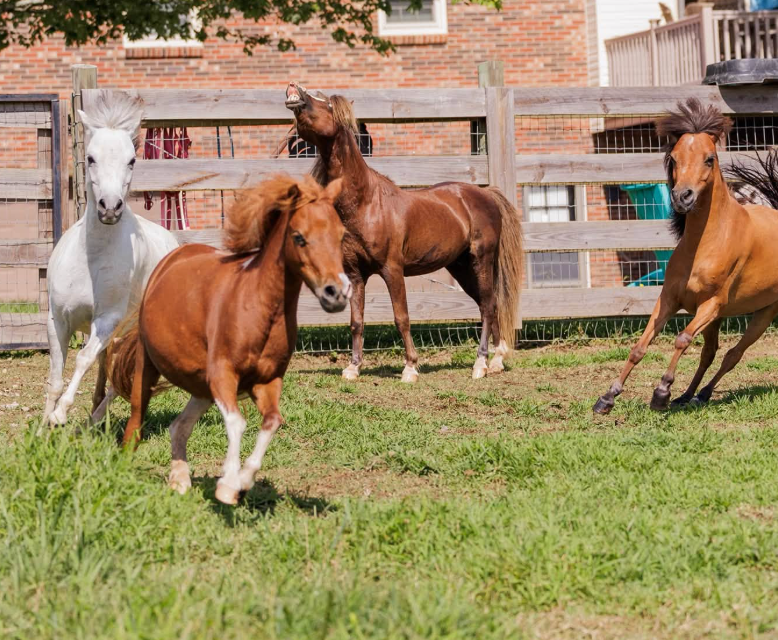
Turnout is the rhythm my whole farm runs on. With the size of the herd at Running Springs, getting horses out to graze and stretch every day isn't a nice-to-have, it's the backbone of good care.
A horse turnout is simply the time a horse spends outside an enclosed space, like a stall or barn, in a larger area such as a pasture or paddock.
To "turn a horse out" means to release it so it can move freely, graze, socialize, and take a break from work.
The phrase covers two things: daily turnout, a few hours or a full day outside, and long-term turnout, an extended break of weeks or months from riding, often to heal an injury, let a young horse grow, or give a working horse a mental reset.
If you're new to horses, you'll hear people say "the horse is out" or "I turned her out this morning" and wonder what they actually mean. It sounds like jargon, but it's one of the most basic parts of horse care.
A horse turnout is just the horse's time outside, away from the barn, where it gets to be a horse. If you're still building your vocabulary, my beginner's guide to horse terms defines turnout and dozens more.
Key Takeaways
- A horse turnout is time a horse spends outside the barn in a pasture, paddock, or dry lot where it can move freely.
- "Turning a horse out" has two meanings: daily turnout for routine movement, and long-term turnout for an extended break.
- Turnout supports physical health, hoof and gut function, and mental well-being by letting horses graze and socialize.
- The riskiest moments are releasing and catching a fresh horse, so lead all the way in, turn to face the gate, and use a breakaway halter.
- How much turnout a horse needs depends on your grass, climate, fencing, and the individual horse.
What Is a Turnout Area, Exactly?

A turnout area is the outdoor space you release a horse into, most often a pasture or a paddock. The point is freedom of movement. Instead of standing in a stall, the horse can walk, trot, roll, graze, and interact with other horses.
The size and surface vary. Some turnouts are lush grass pastures; others are smaller paddocks or bare dry lots used when grass needs a rest or a horse needs a restricted diet.
The common thread is that the horse is out of the barn and free to move. You can see the kind of wide-open space my animals enjoy in a tour of the animal kingdom at Running Springs.
The Two Meanings of Turning a Horse Out
Depending on the context, "turn out a horse" can mean two very different things.
| Type | How long | Why you do it |
|---|---|---|
| Daily turnout | A few hours to all day | Routine movement, grazing, play, and natural behavior for a stabled horse |
| Long-term turnout | Weeks to months | An extended break from riding to heal an injury, let a young horse grow, or reset mentally |
When a trainer says a horse is "turned out for the winter," they usually mean long-term turnout.
When a barn manager says the horses "go out at seven," they mean daily turnout. Same phrase, different scale.
Young horses often get long stretches of turnout to grow up before they ever start real work, which I talk about in my guide to weaning horses.
Why Turnout Matters for Every Horse
Horses are built to move and graze for most of the day. Standing in a stall around the clock works against their bodies and their minds. Good turnout supports:
- Physical health. Steady, low-intensity movement keeps joints, tendons, and the digestive system working the way they should.
- Hoof and gut function. Walking and near-constant forage intake are how a horse's system is designed to run.
- Mental well-being. Grazing and socializing reduce stress and the boredom that leads to habits like weaving, cribbing, and stall-walking.
- Recovery. Gentle turnout is often part of rehab, letting a horse move without the demands of training.
Horses are herd animals at heart, and turnout is where a lot of that social life happens. If you love the little details of equine biology, you'll enjoy these horse facts you probably didn't know.
How Much Turnout Does a Horse Need?

There's no single number, but more is usually better. Many horses do best with turnout for the majority of the day, and plenty live out full-time with shelter.
What's right depends on your grass, your climate, your fencing, and the individual horse.
A few things that change the answer:
- a horse on a restricted diet may need a dry lot instead of rich grass
- a horse recovering from injury may need small, controlled turnout at first
- weather can push you to adjust so pastures don't turn to mud
The goal is consistent daily movement, whatever form that takes on your farm.
How to Safely Turn a Horse Out

Turnout is routine, but the moments of releasing and catching are where people and horses get hurt, especially with a fresh, excited horse.
- Lead all the way in. Walk the horse through the gate, turn it to face you and the gate, then release. Don't let go while its head is pointed at open field.
- Step back, don't chase. Give the horse room to move off so a playful buck doesn't catch you.
- Use safe gear. A breakaway or turnout halter is designed to release if it snags on something, which is why I use them.
- Watch the herd. Introduce new horses slowly and turn out compatible groups to limit kicking and chasing.
Catching an amped-up horse is its own skill. I wrote a full walkthrough in how to catch a horse in the pasture if you want the step-by-step.
And if you're brand new to being around horses, what to expect your first time riding a horse is a gentle place to start.
My Turnout Routine at Running Springs
With the size of our herd, turnout isn't optional, it's the backbone of the day. Horses go out to graze and stretch, and I lean on turnout hard when I've got young stock growing up or a horse that needs downtime.
When one of my mares is late in pregnancy, I'll adjust where and how she goes out so she's comfortable and safe.
Watching a horse trot off, drop its head, and just graze in the sun never gets old. That's the whole point of turning them out, letting them be horses. You can meet the crew that fills our pastures in Meet the Herd at Running Springs.
Early-morning turnout means chilly barn chores. My cozy Katie's Classics pieces are what I live in for the first shift of the day.
If you want more from the farm, come follow along on Facebook, Instagram, TikTok, and YouTube.
The Bottom Line on Horse Turnout
Turnout is one of the simplest, most powerful things you can give a horse. Whether it's a few hours in a paddock or a long summer out to grow, time outside keeps horses sound in body and mind.
Match the amount and type of turnout to your grass, your climate, and the horse in front of you, and you can't go far wrong.
Frequently Asked Questions About Horse Turnout
What does it mean when a horse is "out"?
It means the horse has been turned out, it's outside the barn in a pasture or paddock rather than in its stall. People use "the horse is out" as everyday shorthand for turnout.
Is turnout the same as a pasture?
Not exactly. Turnout is the activity of putting a horse outside; a pasture is one kind of turnout area. A paddock or dry lot can also serve as turnout.
Can a horse have too much turnout?
For most healthy horses, generous turnout is a good thing. The exceptions are horses on restricted diets who need limited grass, or those recovering from injury who need controlled space at first.
What is long-term turnout?
It's an extended break from riding and showing, often weeks or months, used to let a horse heal, grow, or mentally reset before returning to work.
What is a turnout area?
A turnout area is any outdoor space, most often a pasture or paddock, where a horse is released to move freely, graze, and interact with other horses instead of standing in a stall.
How do I safely turn out an excited horse?
Lead the horse all the way through the gate, turn it to face you before releasing, and step back rather than chasing after it. A breakaway halter and slow introductions to new pasture-mates also cut down on risk.
About the Author

Hi, I am Katie Van Slyke!
I breed AQHA Quarter Horses at my family farm in Tennessee, stand two stallions, and document foaling season every year from the barn floor while sharing the daily realities of farm life.
I am incredibly lucky to share this journey with millions of friends across YouTube, TikTok, Facebook, and Instagram. You can read the full story of how it all started on my about page.
Sources
The general turnout guidance in this article is supported by the equine references below. Everything about my own herd and routine comes from firsthand experience at Running Springs.











0 comments