
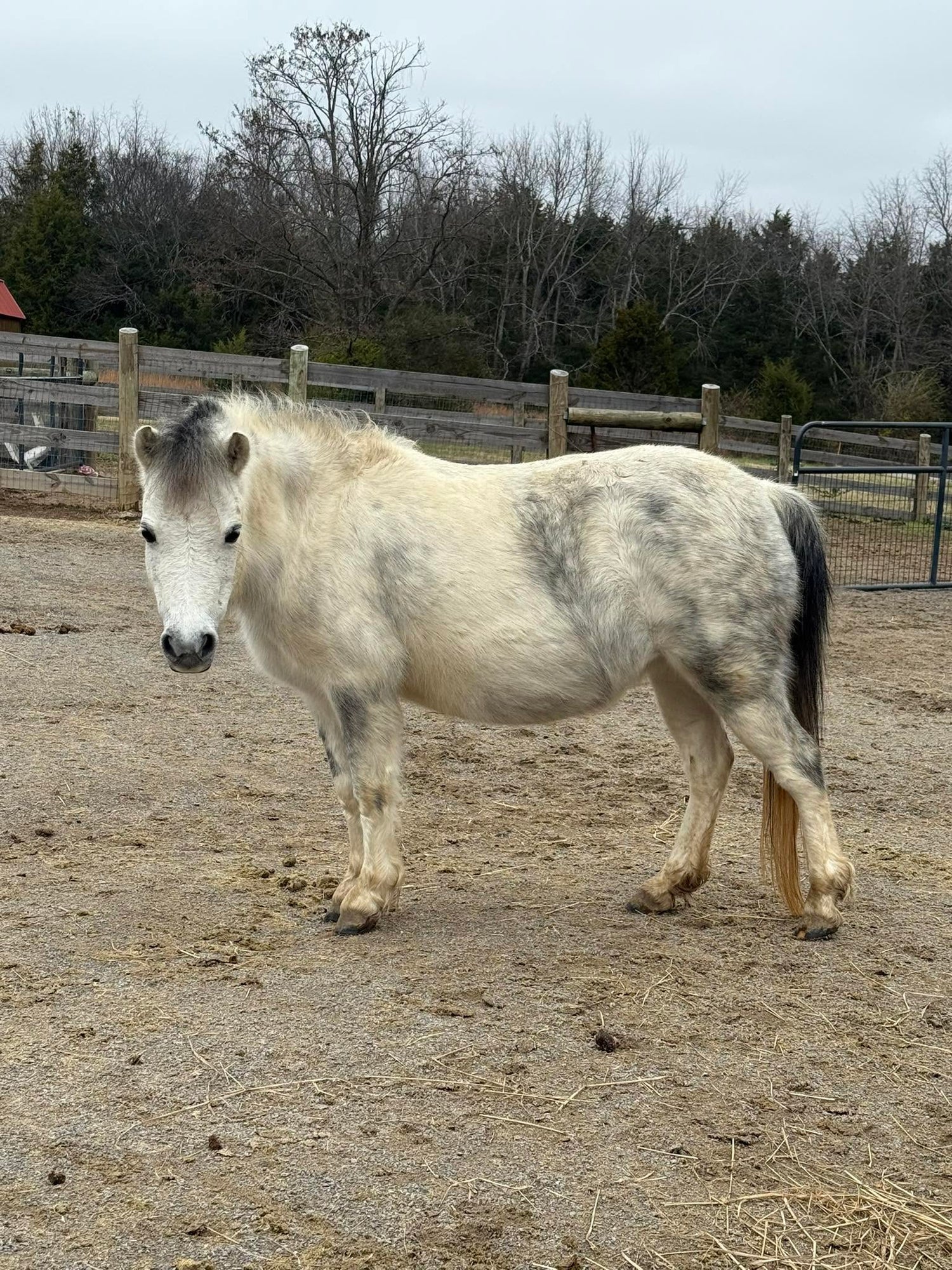
After almost a decade of breeding AQHA Quarter Horses, embryo transfers, ICSI work, and watching every one of my mares carry, I want to give you the full picture in one place.
Hi y'all, Katie Van Slyke here, and welcome to the most comprehensive guide I have written on pregnancy in mares.
Today, I'll walk through how mares get pregnant, every way vets confirm pregnancy, what happens through each trimester, how to care for a pregnant mare, what can go wrong, and exactly what to watch for as foaling gets close.
Whether you are breeding your first mare or following along with our barn from afar, this guide is for you. Stick with me.
What You'll Learn
- What Is Equine Pregnancy?
- When Can a Mare Get Pregnant?
- The Mare's Reproductive Cycle
- How Mares Get Pregnant: Modern Breeding Methods
- How Do You Know If a Mare Is Pregnant?
- The Three Trimesters of Mare Pregnancy
- How Long Is a Mare Pregnant?
- Horse Fetus Development Month by Month
- Nutrition for the Pregnant Mare
- Vaccinations, Deworming, and Exercise
- Common Complications in Pregnant Mares
- How We Track Pregnancy at Running Springs
- Signs of Approaching Foaling
- Frequently Asked Questions
What Is Equine Pregnancy?

Equine pregnancy is the roughly eleven-month process during which a mare carries a developing foal in her uterus. From conception through foaling, the mare's body undergoes major hormonal, physical, and behavioral changes to support the growing foal.
The pregnancy starts when a mature egg is fertilized by a stallion's sperm, either through natural cover, artificial insemination, or in a lab dish for ICSI. The fertilized embryo then implants in the mare's uterus and develops through three distinct trimesters before foaling.
What makes mare pregnancy uniquely complex is the length, the high rate of early embryonic loss in the first 60 days, and the risk of twins. Horses are also seasonal breeders, which means their reproductive cycle is most active from late spring through early fall, with most breeders aiming for foals born in early spring.
When Can a Mare Get Pregnant?
Fillies reach sexual maturity around 18 months of age, but that does not mean they should be bred.
Most veterinarians recommend waiting until a mare is fully skeletally mature, around four to five years old, before her first pregnancy. Breeding too young increases the risk of birthing complications and can affect the mare's own development.
On the other end, mares can continue to breed well into their 20s. However, fertility decreases with age, especially for mares having their first pregnancy after their teens or those returning to breeding after a long break.
At Running Springs, our broodmare band ranges from young mares in their first or second foaling year through senior producers.
The Mare's Reproductive Cycle
A mare's reproductive cycle, known as the estrous cycle, runs roughly 21 days. Each cycle has two main phases:
- Estrus (heat): 5 to 7 days. The mare is receptive to a stallion and an egg is released near the end of this window.
- Diestrus: 14 to 16 days. The mare is not receptive. If she conceived, the early pregnancy begins to develop.
The window for successful artificial insemination is even smaller, usually a 24 to 48 hour stretch right before ovulation. This is why timing is everything in horse breeding, and why veterinarians spend so much time tracking follicle growth via ultrasound during the breeding window.
For more on the everyday vocabulary that comes up in conversations like this, our piece on horse breeding terms every new breeder should know covers the basics that make vet conversations easier.
How Mares Get Pregnant: Modern Breeding Methods

Breeders today use a variety of techniques to achieve pregnancy, ranging from traditional methods to advanced reproductive technologies.
- Live Cover: The most traditional method, where the mare and stallion breed naturally. Some breed registries mandate this for their horses.
- Artificial Insemination (AI): A veterinarian collects semen, which can be fresh, cooled, or frozen, and inseminates the mare. This is a very common practice in many breeding programs.
- Embryo Transfer: This process involves flushing an embryo from a donor mare and transferring it to a recipient surrogate mare, who then carries the foal to term.
- ICSI (Intracytoplasmic Sperm Injection): A specialized lab procedure where a single sperm is injected directly into an egg. This is often used to preserve the legacy of stallions whose semen is limited or who are no longer living.
For a deeper look at how we use recipient mares specifically, our piece on the role of recipient mares walks through the whole process.
Every new arrival at Running Springs gets the RS prefix and a spot in our family lineup. Browse our foals collection for tees and hoodies that celebrate the babies behind the program.
How Do You Know If a Mare Is Pregnant?
This is one of the most common questions I get from new breeders. Mares do not show outward pregnancy signs early on, so confirmation almost always comes from your vet.
Here are the methods used to test for mare pregnancy, in roughly the order they happen during a typical breeding season.
Transrectal ultrasound
This is the most common, most accurate, and earliest pregnancy test for mares. The vet inserts a sterile ultrasound probe into the rectum to image the uterus through the bowel wall. The fluid-filled embryonic vesicle shows up clearly on the screen.
- Day 14 to 16: First confirmation scan. Twins can be identified at this stage and one safely pinched if needed.
- Day 25 to 30: Heartbeat scan. The embryonic heartbeat is first visible around day 24 to 25 and consistently by day 28 to 30.
- Day 60 to 90: Sexing scan, plus a viability and placental health check.
This is the protocol we follow at Running Springs with our vet team. We covered the full ultrasound experience in our heartbeat checks article.
Rectal palpation and Blood tests
Before ultrasound was widely available, vets confirmed pregnancy by feeling the uterus through the rectum. Palpation can detect pregnancy from about day 30 onward. Most modern programs use it as a supplement to ultrasound.
Two main blood-based mare pregnancy tests exist: the eCG hormone test, accurate from about day 40 to day 120, and the Estrone sulfate test, useful from about day 100 onward.
Blood tests are less commonly used than ultrasound because they are slower to result and less accurate in the very early window where twins matter most.
The Three Trimesters of Mare Pregnancy
Like in humans, equine pregnancy is divided into three trimesters. Each one has its own milestones and its own care priorities.
| Trimester | Days | Key milestones |
|---|---|---|
| First | Day 1 to 114 | Embryo implantation, organ formation, twin check, heartbeat check, sexing scan possible, highest risk of early embryonic loss |
| Second | Day 115 to 226 | Rapid fetal growth, uterus drops into abdomen, appetite returns, vaccinations begin, nutritional needs steady |
| Third | Day 227 to foaling | Major fetal weight gain (around 60% of birth weight happens here), increased nutrition, pre-foaling vaccinations, udder development, foaling prep |
The first trimester is the riskiest phase. Early embryonic loss happens in 5 to 15 percent of mare pregnancies, and most losses happen in the first 60 days.
My broodmare Phoebe absorbed an embryo at day 27 in one of her pregnancies. She scanned pregnant, then was empty by the next recheck. We bred her again that season and she is now carrying a beautiful Kennedy x RL Best of Sudden foal for our April 2026 lineup.
How Long Is a Mare Pregnant?
A mare's pregnancy lasts an average of 340 days, but that number is just a starting point. A healthy gestation window actually ranges anywhere from 320 to 365 days.
Here at Running Springs, we see this variation firsthand every foaling season. Some of our mares deliver right on schedule, while others keep us guessing for an extra week or two.
Because so many things impact this timeline, from the foal's sex to the time of year, I put together a dedicated guide breaking down the length of pregnancy for horses.
Horse Fetus Development Month by Month
If you have ever wondered what the foal is actually doing in there at each stage, here is the rough month-by-month progression:
- Month 1: Fertilization, implantation, embryonic vesicle visible on ultrasound by day 14.
- Month 2: Embryonic heartbeat is detectable on ultrasound. Major organ systems begin forming. The embryo is roughly the size of a grape.
- Month 3: The horse fetus has recognizable limbs, head, and tail. About the size of a kitten by the end of the month.
- Month 4: Sexing becomes reliable via ultrasound. The fetus is moving frequently.
- Month 5 to 6: Rapid growth continues. The placenta is fully developed and the mare's uterus expands significantly.
- Month 7 to 8: The fetus turns into its birthing position, head pointing toward the cervix. Fine hair starts to develop.
- Month 9 to 10: The vast majority of weight gain happens here. The fetus is essentially fully formed and just gaining size and strength.
- Month 11: Foaling preparation. The mare's body produces colostrum, the udder fills, and the fetus drops into final position for delivery.
Nutrition for the Pregnant Mare

What and how much a pregnant mare eats changes through pregnancy. The first two trimesters do not require dramatic changes, since the fetus is still small and the mare's metabolic load is similar to maintenance. The third trimester is where nutrition becomes critical.
Maintain her normal diet in the first and second trimesters. Most adult mares need roughly 2% of their body weight in forage daily plus a balanced concentrate. In the third trimester, energy and protein requirements increase by approximately 10 to 20 percent.
Specialized broodmare feeds are formulated to meet these higher demands. Fresh water must be available at all times, as pregnant mares drink significantly more than open mares.
Fescue Grass Warning: Tall fescue grass that is infected with endophyte fungus can cause major problems in late pregnancy, including prolonged gestation, weak foals, and serious milk production issues. One major change we made this year is pulling all our mares off fescue once they are within three months of their due date.
Vaccinations, Deworming, and Exercise
Preventative care is designed to support the mare and help her pass immunity to the foal through her colostrum. Schedules focus on preventing abortion and boosting immunity.
Key programs often include boosters for Rhinopneumonitis at 5, 7, and 9 months, along with pre-foaling shots about a month before the due date for diseases like West Nile and Tetanus.
Moving around is healthy for a pregnant mare. Unless your vet says otherwise, you generally do not need to restrict her activity significantly.
Gentle exercise, such as light riding or walking, is usually fine during the first two trimesters. As she gets closer to her due date, it is common to switch to just regular turnout and light handling.
Common Complications in Pregnant Mares
Even with the best care, things can go wrong. Knowing what to watch for is half the battle.
- Twin pregnancies: Mares are not built to carry twins. Most twin pregnancies end in late-term abortion of both foals or serious complications for the mare.
- Placentitis: An infection of the placenta, often caused by bacteria moving up through the cervix. Early signs include premature udder development and unexpected vaginal discharge.
- Premature labor: Labor before 320 days is considered premature. Premature foals often have underdeveloped lungs and require intensive care.
- Prolonged gestation: Pregnancy past 365 days can indicate placental issues, fescue toxicosis, or simply a mare who carries long.
We caught placentitis early in our mare Annie last December because she started bagging up far earlier than she should. Because we do regular bump dates and check the mares closely, we got the vet out right away and started treatment.
How We Track Pregnancy at Running Springs

One of my favorite traditions at Running Springs is what we call bump dates. I take a soft tape measure, wrap it around the widest part of each pregnant mare's belly, and track how her body changes as foaling gets closer.
I started doing this purely for fun and it has turned into one of my favorite ways to monitor each pregnancy.
Not every breeder does a bump date, and skipping it does not make you a bad horse owner. For me, it is part record keeping, part curiosity, and honestly part bonding with these girls as they carry the next generation.
| Mare | Belly measurement | Due date |
|---|---|---|
| Raven (recip) | 96 inches | January 20 |
| Coco (mini horse) | 64+ inches | February 10 |
| Lexy (recip) | 88.5 inches | March 12 |
| Phoebe (recip) | 87.25 inches | April 8 |
| Maggie (recip) | 85.5 inches | April 10 |
| Happy | 86.5 inches | April 11 |
| Annie | 88 inches | April 11 |
Signs of Approaching Foaling
As a mare gets close, her body tips you off in stages. In the final weeks her udder fills, and a day or two out you will usually see waxy beads of colostrum on the teats.
In the last hours her pelvic ligaments soften, her tail head relaxes, and she gets restless.
When to Call the Vet: Call your equine vet immediately if the pregnancy extends past 365 days, if the mare starts dripping milk before 320 days, if she is having heavy active labor for more than 20 minutes without sign of the foal, or if you notice vaginal discharge or fever.
A mare gestation calculator estimates the foaling date by adding the average gestation length to the date of last breeding. Keep in mind that gestation is a range rather than an exact date. Plus or minus 25 days from the estimated due date is within normal limits.
From Breeding to Foal on the Ground
Pregnancy in mares is one of the most demanding, exciting, and emotionally heavy parts of horse breeding. Eleven months of monitoring, decisions, and watching. The losses are real. The wins are real. And every healthy foal on the ground is the product of months of work that started long before anyone ever saw a heartbeat on a screen.
If you are breeding your first mare, build the right vet team before you breed, plan the schedule, and do not skip the scheduled rechecks. If you are following along with our barn from the outside, thank you for being here for every bump date, every nail-biting ultrasound, and every foal that hits the ground.
Frequently Asked Questions About Pregnancy in Mares
Can you feel or see the foal move in a pregnant mare?
Yes, especially in the last few months. As the foal grows and runs out of room, you can often see or feel it shift, kick, or roll along the mare's flank, usually low and toward the right side, and most noticeably when she is relaxed or after she drinks cold water. It is a fun thing to watch for, though not seeing movement on a given day is not a reason to worry on its own.
Can a mare come into heat while she is pregnant?
Sometimes it can look that way. A small number of pregnant mares show what is called false heat, acting receptive to a stallion even though they are safely in foal, usually because of normal hormone fluctuations. It can be confusing, which is exactly why a vet's ultrasound, rather than behavior, is the only reliable way to confirm and monitor a pregnancy.
Do you need to vaccinate a mare before breeding her?
Ideally, yes. Most vets want a mare's core vaccinations current before she is bred, so she goes into pregnancy with strong immunity and you are not vaccinating during the earliest, most sensitive weeks. After that, pregnant mares follow a specific schedule that includes rhinopneumonitis boosters and pre-foaling shots. Your vet will map out the timing for your individual mare.
What should you have ready before your mare foals?
A clean, safe foaling space and a simple foaling kit. That means a large, well-bedded stall or clean paddock, your vet's number within reach, clean towels, a tail wrap, iodine or chlorhexidine for the navel, and a way to watch her around the clock like a camera. I like to have everything staged well before the first due date so nothing is a scramble at 2 a.m.
Can a mare be bred while she is still nursing a foal?
Yes. Mares can be bred back while nursing, often on what is called foal heat, which usually shows up 7 to 14 days after foaling. Some mares conceive easily this way, while others, like our Annie, tend to struggle to catch while nursing and do better with a season off.
About the Author

Hi, I am Katie Van Slyke! I breed AQHA Quarter Horses at my family farm in Tennessee, stand two stallions, and document foaling season every year from the barn floor while sharing the daily realities of farm life.
I am incredibly lucky to share this journey with millions of friends across YouTube, TikTok, Facebook, and Instagram. You can read the full story of how it all started on my about page.
Sources
The gestation timelines, breeding methodology, vaccination schedules, and complication protocols in this article are drawn from published equine veterinary and university extension resources. They are educational only and do not replace working with your own veterinarian.
- Merck Veterinary Manual, Management of Reproduction in Horses
- Merck Animal Health, Broodmare Pregnancy
- University of Minnesota Extension, Caring for Your Mare During Breeding and Foaling
- Oklahoma State University Extension, Caring for Pregnant Mares and Foals
- Michigan State University College of Veterinary Medicine, Health and Wellbeing for Pregnant Mares
- The Horse, Mare Gestation Calculator
















0 comments