
I run a Quarter Horse breeding program at Running Springs, and after confirming, tracking, and foaling out mares across many seasons, I have learned the hard way that a mare's body will fool you.
Here is the honest truth about the signs of a pregnant mare: the only way to know for sure is a veterinary exam, usually an ultrasound around 14 to 16 days after breeding.
Mares are notorious for hiding a pregnancy. Some look completely normal for months, while a few open (not pregnant) mares can even fake the symptoms.
That said, there are real behavioral and physical clues worth knowing, especially if you suspect your mare got in foal.
Below I will walk you through what a vet looks for and when, the at-home signs that actually mean something, the myths to ignore, and a little about how horses get pregnant in the first place.
Can You Tell If a Mare Is Pregnant Just by Looking?

Not reliably, no. This is the part people do not want to hear, but it is the most important thing on this page. A mare can carry a foal for months while looking and acting exactly like she always has.
Meanwhile, some mares that are not pregnant will stop cycling or act a little off, which can fool you into thinking they are in foal.
So treat every at-home sign below as a reason to call your vet, not as a diagnosis.
The behavioral and physical clues are useful for knowing when to check and what to watch, but confirmation comes from the vet every single time.
How a Vet Confirms a Pregnant Mare (and When)
Veterinarians have a few reliable tools, and which one they reach for depends mostly on how far along the mare might be.
Transrectal ultrasound is the gold standard for early diagnosis because it confirms the pregnancy, checks for a heartbeat, and screens for twins, which are high-risk in horses and best caught early.
| Method | When it works | What it shows |
|---|---|---|
| Transrectal ultrasound | As early as 14 to 16 days after ovulation | Confirms pregnancy, detects twins, shows the embryo and heartbeat |
| Rectal palpation | From about 30 days | Vet manually feels the uterus and the developing foal |
| Blood test (eCG) | About 40 to 120 days | Detects the pregnancy hormone eCG; can read false-positive if the foal is lost |
| Blood test (estrone sulfate) | After about 60 days | Produced by the foal, so it also signals the foal is alive |
The blood tests are handy when a mare's breeding date is unknown or palpation is not an option, but they come with timing limits.
According to the Merck Veterinary Manual, eCG only reads reliably between roughly 40 and 120 days, and it can stay elevated even if the foal has been lost, which is why a vet often follows up.
The University of Georgia Extension notes that ultrasound and palpation remain the most accurate methods, since hormone and behavior-based checks can mislead you.
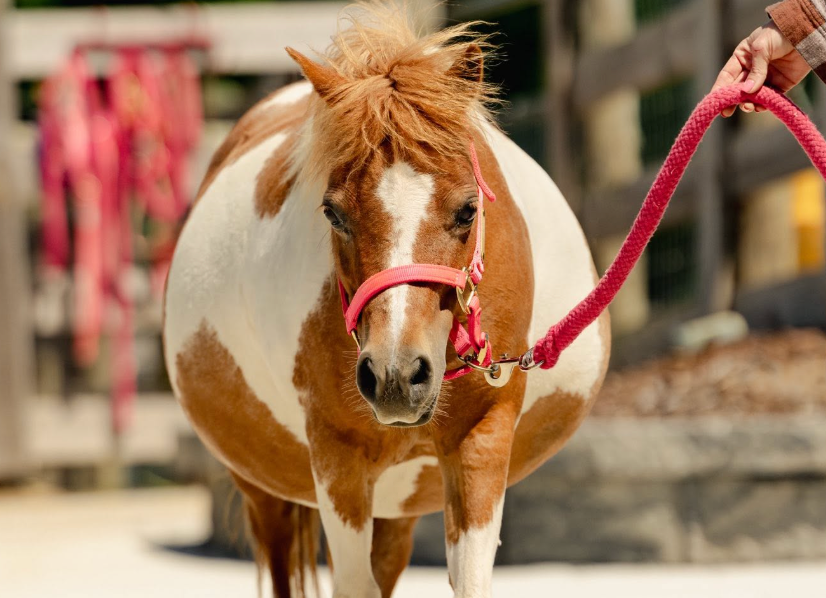
On my own farm, every pregnancy starts with an ultrasound. When we ran pregnancy checks on my mini mare Regina, she had conceived about 16 days earlier, and seeing that tiny heartbeat flicker on the screen is something that never gets old for me.
Early ultrasounds also let my vet catch problems, like twins or an early pregnancy loss, while there is still time to act.
Behavioral Signs of a Pregnant Mare

If your mare was recently with a stallion, the first behavioral clue is whether she returns to heat.
A mare cycles roughly every 21 days during breeding season, and a pregnant mare usually will not show heat behaviors like raising her tail, squealing at geldings, or squirting urine.
- Not coming back into heat on her normal cycle is often the earliest hint that breeding may have worked.
- Temperament shifts are reported by some owners, like a calmer attitude or more protectiveness, though these are far from universal.
Here is the catch, and it is a big one. Some pregnant mares still show a mild or "silent" heat, and plenty of mares that are not pregnant also fail to return to heat for unrelated reasons. That is exactly why I treat a missed cycle as my cue to book a vet check, never as proof. If you want a plain-English refresher on terms like estrus, maiden, and open, my horse breeding glossary covers them.
Physical Horse Pregnancy Symptoms
Because horses carry for about 11 months, the visible physical symptoms tend to show up late, often not until the second or third trimester. Here is the rough timeline:
- Early on: very little to see. A mare may have a slightly decreased appetite or mild weight loss in the first trimester, then her appetite returns and she begins to gain weight in the second.
- Mid to late: her belly gradually fills out, though many mares hold their normal shape surprisingly well since the foal does most of its growing in the last few months.
- Close to foaling: her udder fills ("bagging up") and waxy beads of colostrum appear on the teats in the final days. These late signs are really your foaling countdown, and I cover them in detail in my guide to horse labor signs.
Heads up: A swelling belly is one of the least reliable signs on its own. Older mares and "hay belly" mares can look pregnant when they are not, and fit mares can look slim when they are. Always pair what you see with a vet's confirmation.
Pregnancy Myths Worth Ignoring

Spend any time online and you will run into old wives' tales for diagnosing a mare. The most common one claims that a pregnant mare shakes only her head and neck, not her body, to protect the foal. Others swear by the look in her eyes. These are folklore, not diagnostics.
There is nothing wrong with enjoying the lore, but do not make breeding or care decisions based on it. A vet exam is the only thing that confirms a pregnancy, checks for twins, and screens for early loss.
What Is the Gestation for a Horse?
A horse's gestation averages about 340 days, or roughly 11 months, with a normal range of about 320 to 370 days. Anything shorter than about 320 days is generally considered premature.
Plenty of things nudge that timeline, so two mares bred on the same day can foal weeks apart. I break down exactly what changes the length, and why, in my full guide to the length of pregnancy for horses.
How Do Horses Get Pregnant?
Mares are seasonal breeders whose cycles are driven by daylight, so in North America the breeding season generally runs from spring into fall, with most breeders aiming for spring foals so babies arrive in mild weather with fresh grass.
Within that season a mare cycles about every 21 days, with only a short window of a few days when she is receptive and can conceive.
Once timing lines up, a foal can be made by natural cover, by artificial insemination with fresh, cooled, or frozen semen, or by embryo transfer into a recipient mare. My mini mare Regina got in foal through a live cover, while most of my Quarter horses are bred by AI. I walk through each of these methods in more detail in my complete guide to pregnancy in mares.
Counting down to babies with us? Browse the 2026 foals collection for tees and hoodies inspired by our lineup.
Meet the Herd at Running Springs

Running Springs is our family farm in Nolensville, Tennessee, where we raise Quarter horses alongside mini horses, mini cows, donkeys, goats, and a whole crew of barn animals.
Our broodmares carry the next generation every year, and our stallions VS Code Red and First Thingz First sire many of the foals born here.
If you want more from the farm, come follow along on Facebook, Instagram, TikTok, and YouTube. And if you want to take a piece of the herd home, our Running Springs collection features designs inspired by our farm family.
The Bottom Line on Spotting a Pregnant Mare
The signs of a pregnant mare fall into three buckets: behavioral (not returning to heat), physical (a filling belly, then bagging up and waxing close to foaling), and the one that actually confirms it, a veterinary exam.
An ultrasound around 14 to 16 days is the most reliable answer, with palpation and blood tests filling in later windows.
If you take one thing from my years of doing this, let it be this: use the at-home signs to decide when to call the vet, then let the vet give you the real answer.
That combination of paying attention and confirming with science is exactly how we keep our mares and foals healthy at Running Springs.
Frequently Asked Questions About Pregnant Mares
How can you tell if a mare is pregnant?
The only reliable way is a veterinary exam. A vet can confirm pregnancy with a transrectal ultrasound, usually around 14 to 16 days after breeding, and also check for twins. At-home signs like a mare not returning to heat are clues to get her checked, not proof on their own.
How soon can you tell if a horse is pregnant?
Ultrasound can detect a pregnancy as early as 14 to 16 days after ovulation, which is also the best window to check for twins. Rectal palpation works from about 30 days, and blood tests for the hormone eCG read reliably from roughly 40 to 120 days.
Will a pregnant mare still come into heat?
Usually not, and a missed heat cycle is often the first hint that breeding worked. But some pregnant mares show a mild or silent heat, and some open mares stop cycling for other reasons, so it is not dependable. Confirm with your vet either way.
What are the physical symptoms of a pregnant mare?
Early on there is little to see. Later you may notice a gradually enlarging belly, then close to foaling the udder develops ("bagging up") a few weeks out, waxing appears on the teats a day or two before, and the area around the tailhead and vulva relaxes. A swelling belly alone is unreliable.
Can you use a home pregnancy test on a horse?
Not a drugstore test. Horse pregnancy blood tests measure equine hormones like eCG and estrone sulfate and are run through your vet or a lab, and they only work in specific windows (roughly 40 to 120 days for eCG). For early answers, ultrasound through your vet is the way to go.
About the Author

Hi, I am Katie Van Slyke, and I share my daily life at Running Springs farm with millions of wonderful people online. I am best known for raising a huge variety of animals, from Quarter horses to famous mini Highland cows.
My true expertise lies in hands-on animal husbandry and living an authentic Tennessee outdoor lifestyle. You can read the full story of how it all started on my about page.
Sources
The veterinary and reproductive facts in this article come from the sources below. Notes about my own mares and breeding program are drawn from my firsthand experience at Running Springs.
- Merck Veterinary Manual, Management of Reproduction in Horses (pregnancy determination, eCG and estrone sulfate timing)
- University of Georgia Extension (pregnancy diagnosis methods and accuracy)
- PetMD, reviewed by Courtnee Morton, DVM (estrous cycle, ultrasound timing, twins, trimester changes)
- UC Davis School of Veterinary Medicine (gestation length and range)
















0 comments