
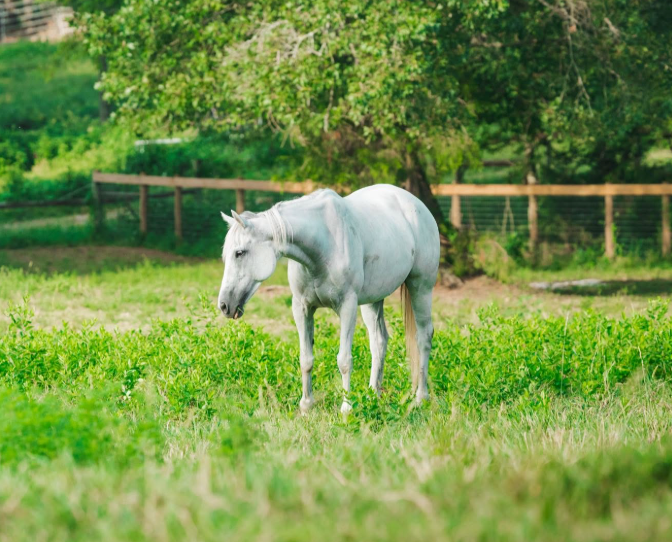
Hi y'all, Katie Van Slyke here, and if there's one question I get asked more than almost any other, it's what do horses eat. Between our broodmares, the new foals, and our old man Mr. Bo, I've fed a whole lot of horses over the years at Running Springs.
Today, I'll walk you through the forage that makes up most of the diet, where grain fits in, water and minerals, treats, and the foods to keep far away from your horse. Whether you just brought home your first horse or you're still dreaming about one, stick with me.
This post contains affiliate links to products we actually use and recommend at Running Springs. If you buy through these links, we may earn a small commission at no extra cost to you.
What's In Here
- Start With Forage: The Foundation of Any Horse Diet
- Where Grain and Concentrates Fit In
- Water and Minerals: The Easy-to-Forget Essentials
- What I Feed at Running Springs
- Horse Treats: Yes, But in Moderation
- Foods to Never Feed a Horse
- Feeding by Life Stage and Workload
- Horse Nutrition, the Running Springs Way
- Frequently Asked Questions
Start With Forage: The Foundation of Any Horse Diet

Here's the first thing to know about horse feeding basics: horses are built to graze almost all day long. They're non-ruminant herbivores, which means they pull most of their energy from fermenting fiber in their hindgut, so a steady supply of grass and hay is what keeps that whole system running the way it should.
That's why forage, grass and hay, should always be the bulk of what to feed a horse. A good rule of thumb that vets and equine nutritionists point to is that a horse should eat roughly 1.5 to 2 percent of its body weight in forage every day. For a typical 1,000-pound horse, that's somewhere around 15 to 20 pounds of hay or pasture daily.
The reason this matters so much is digestive health. A horse's stomach is surprisingly small, and long gaps without food can lead to ulcers and colic. Keeping forage in front of them for most of the day mimics how they'd naturally graze out in a pasture.
Hay for Horses: What Good Forage Looks Like
When pasture isn't enough, hay fills the gap, and quality matters. Whether you're buying grass hay or a legume hay like alfalfa, you want it to:
- Smell fresh and a little sweet, never musty or sour
- Look green and leafy, not bleached, yellow, or all stems
- Be completely free of mold, dust, and debris
- Come from a source you trust to store it dry
If a flake of hay smells off or feels damp, don't risk it. Moldy hay is one of the fastest ways to land a horse with a bellyache.
Where Grain and Concentrates Fit In
This is where a lot of new horse owners get tripped up. Grain (also called concentrates) is not a requirement for every horse. Plenty of easy keepers do beautifully on good forage and a ration balancer alone. Grain comes into play when a horse needs extra calories that hay can't provide, like a hard-working show horse, a growing youngster, or a mare who's pregnant or nursing.
If you do feed grain, two rules keep your horse safe:
- Keep meals small. A horse's stomach only holds a few gallons, so several little meals beat one big one.
- Never overload a single feeding. Large grain meals are linked to colic, ulcers, and laminitis.
Horses with metabolic concerns often need a low-starch, low-sugar feed instead of a traditional grain, so if that's your situation, loop in your vet before you pick a bag.
Water and Minerals: The Easy-to-Forget Essentials

When folks ask about horse nutrition, they almost always think about food and forget the two things that matter just as much: water and salt. Water is hands down the most important nutrient in a horse's diet, and a healthy horse can drink 5 to 15 gallons or more a day depending on heat, work, and whether a mare is nursing.
Clean, fresh water should be available at all times if you can manage it, and at the very least offered a couple of times a day. In winter, check that troughs and buckets haven't frozen over.
Right alongside water, horses need salt and minerals. A plain salt block or loose salt covers the basics, and most quality feeds round out the rest of the vitamins and minerals so you're not guessing. For horses with extra needs — a dull coat, stiff joints, or heavy work — targeted supplements like dac oil from feeddac can help fill in the gaps.
Any time you change a horse's diet, whether it's switching hay, adding grain, or moving to spring pasture, do it slowly over a couple of weeks. Sudden changes are one of the most common triggers for colic. We take our time with every new horse that comes to the barn for exactly this reason.
What I Feed at Running Springs (And the Brand We Trust)

I get asked constantly what we actually feed our horses, so here's the honest answer. Every horse at Running Springs is on Tribute Equine Nutrition, and there were real reasons we landed on them. I love that the feed is all made in one facility in Ohio, that it's a family-owned company, and that their customer service is genuinely some of the best I've dealt with.
The biggest thing for us is that they build a personalized feed plan for each horse instead of a one-size-fits-all bag.
Our broodmares carrying foals get formulas tailored for pregnancy and nursing, the babies get what they need to grow, our seniors get something gentler, and for horses needing extra digestive support I reach for Tribute's Constant Comfort line.
It's the same breeding program credibility we bring to our stallion VS Code Red and every foal that carries our RS prefix. I'm still learning new things every single day, but a solid feed plan is the foundation everything else is built on.
You can see the whole crew eating their way through the day over on my YouTube channel.
If you're a barn person down to your bones, our Classic Apparel is full of everyday staples for the folks who measure their days in feed scoops and hay flakes.
Horse Treats: Yes, But in Moderation
Of course horses love a treat, and there's nothing wrong with handing one out. Classic favorites like apple slices and carrots are perfect, and you can also share small amounts of things like banana or a store-bought horse treat like Tribute's Wholesome Blends. The key word is small.
Too many sugary treats can pack on weight and even contribute to colic or laminitis, so I keep it to a piece or two a day. A few of the buckets, treats, and barn things I actually reach for are rounded up on my favorites page if you're building out your own setup.
Foods to Never Feed a Horse

Just as important as what to feed a horse is what to keep away from one. A horse's digestive system simply isn't built for certain foods, and a few of these can be genuinely dangerous.
According to Tribute's feeding guidance, steer clear of:
- Any meat or dairy (horses are herbivores, full stop)
- Avocado, potatoes, onions, and tomatoes
- Cabbage, cauliflower, and other cruciferous vegetables
- Rhubarb and excessive amounts of fruit
- Chocolate and other sugary human snacks
- Lawn clippings, which ferment fast and can cause serious problems
One more to watch closely: lush spring grass. It's wonderful in moderation, but turning a horse out on rich green pasture too fast in spring can trigger laminitis, especially in easy keepers. Ease them onto it.
Feeding by Life Stage and Workload
There's no single answer to what do horses eat, because needs shift a lot across a horse's life. Here's a simple way to think about it, though your vet and a feed plan should always fine-tune the details:
| Life stage / job | What changes about the diet |
|---|---|
| Foals & growing youngsters | Need feeds enriched with minerals like calcium and phosphorus for healthy bone and muscle growth |
| Maintenance (easy adults) | Often thrive on good forage and a ration balancer, little to no grain |
| Performance / show horses | Higher energy needs; may need quality concentrates to hold weight and stamina |
| Pregnant & nursing mares | Increased energy and nutrients to support the foal and milk production |
| Seniors | Easier-to-chew, easy-to-digest feeds as teeth and gut efficiency change with age |
Our old gelding Mr. Bo is pushing his mid-twenties and was born right here on the property, so he's a perfect example of why senior feeding looks different. What kept him going at six isn't what keeps him happy now. And when our foals reach weaning time, their nutrition shifts again as they move off mom's milk.
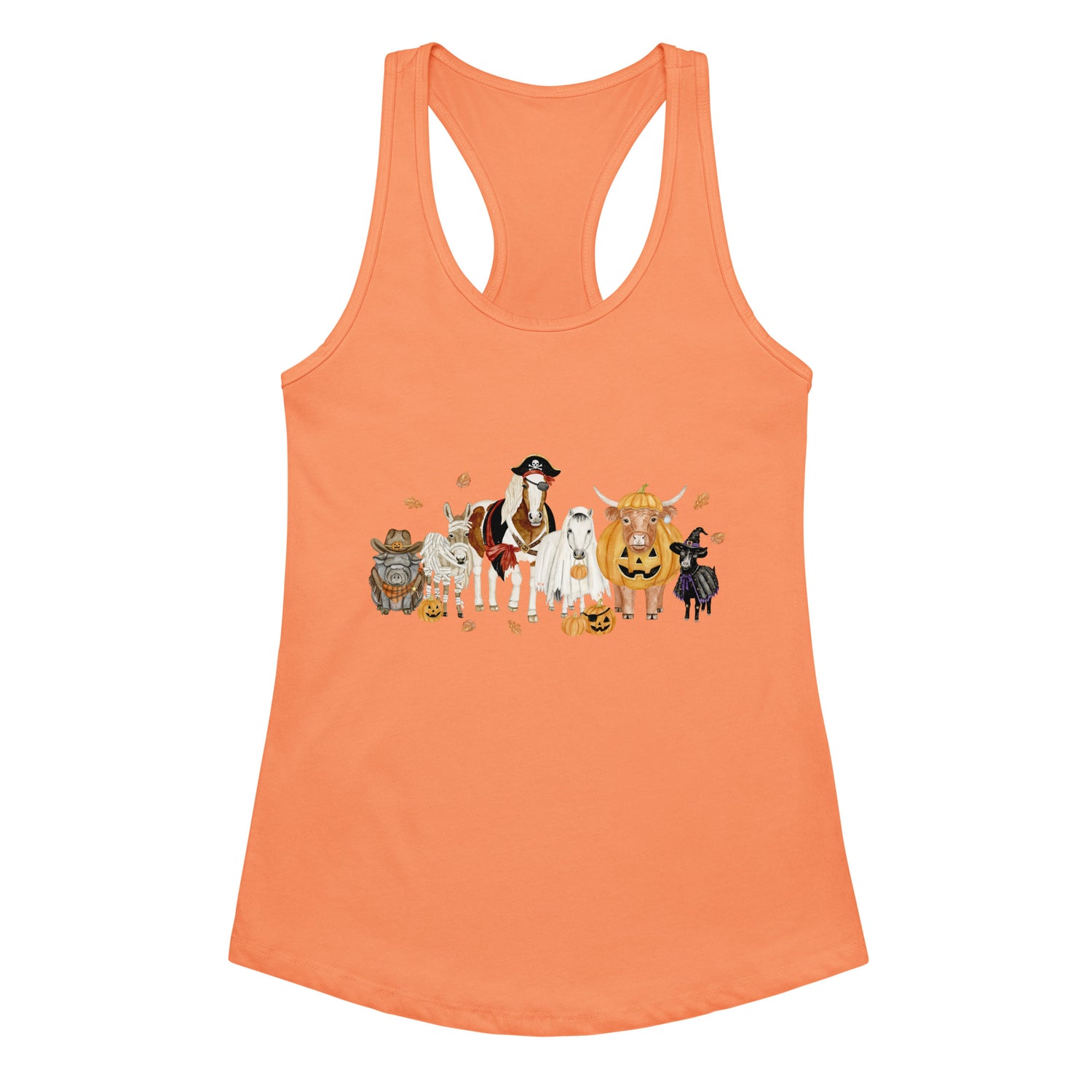
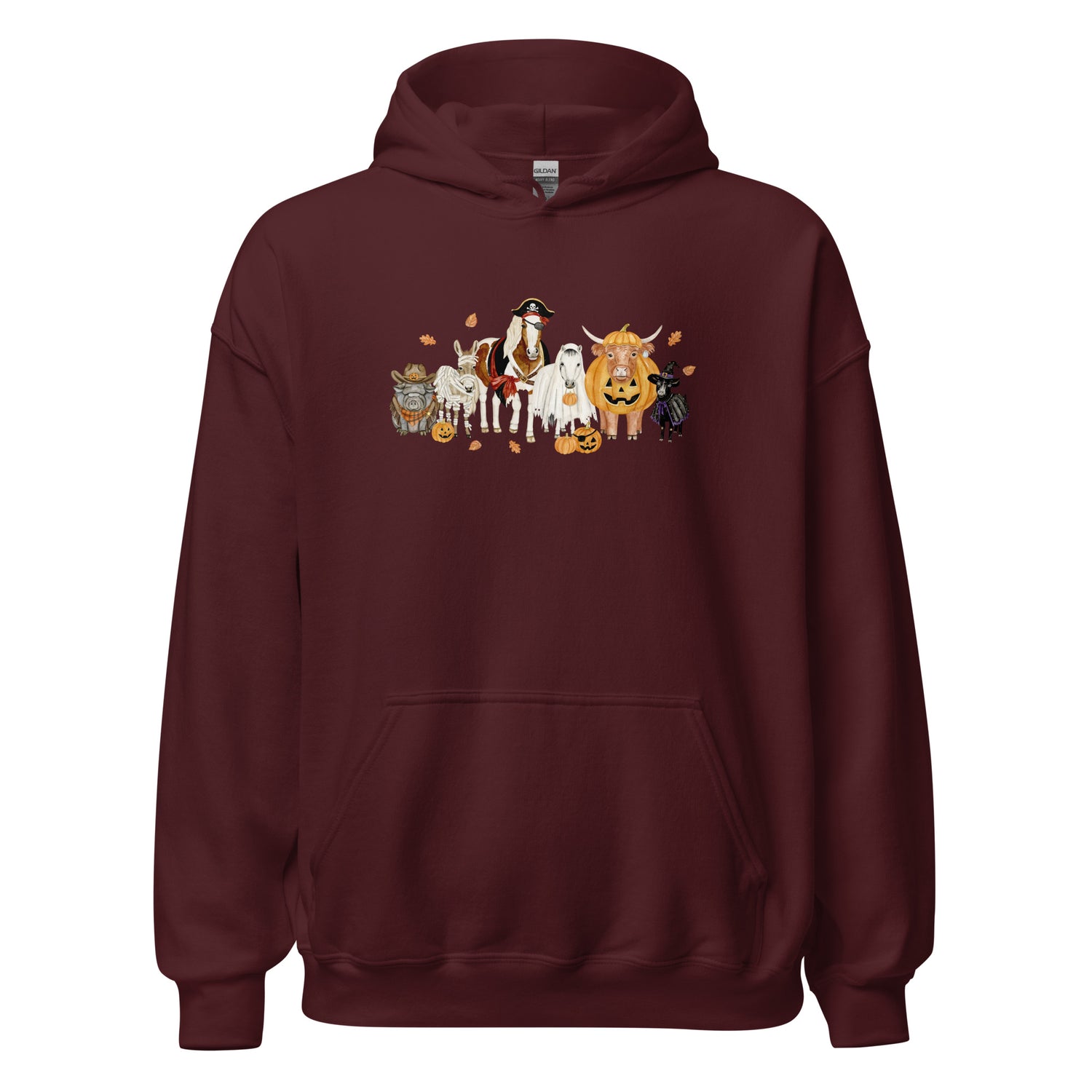
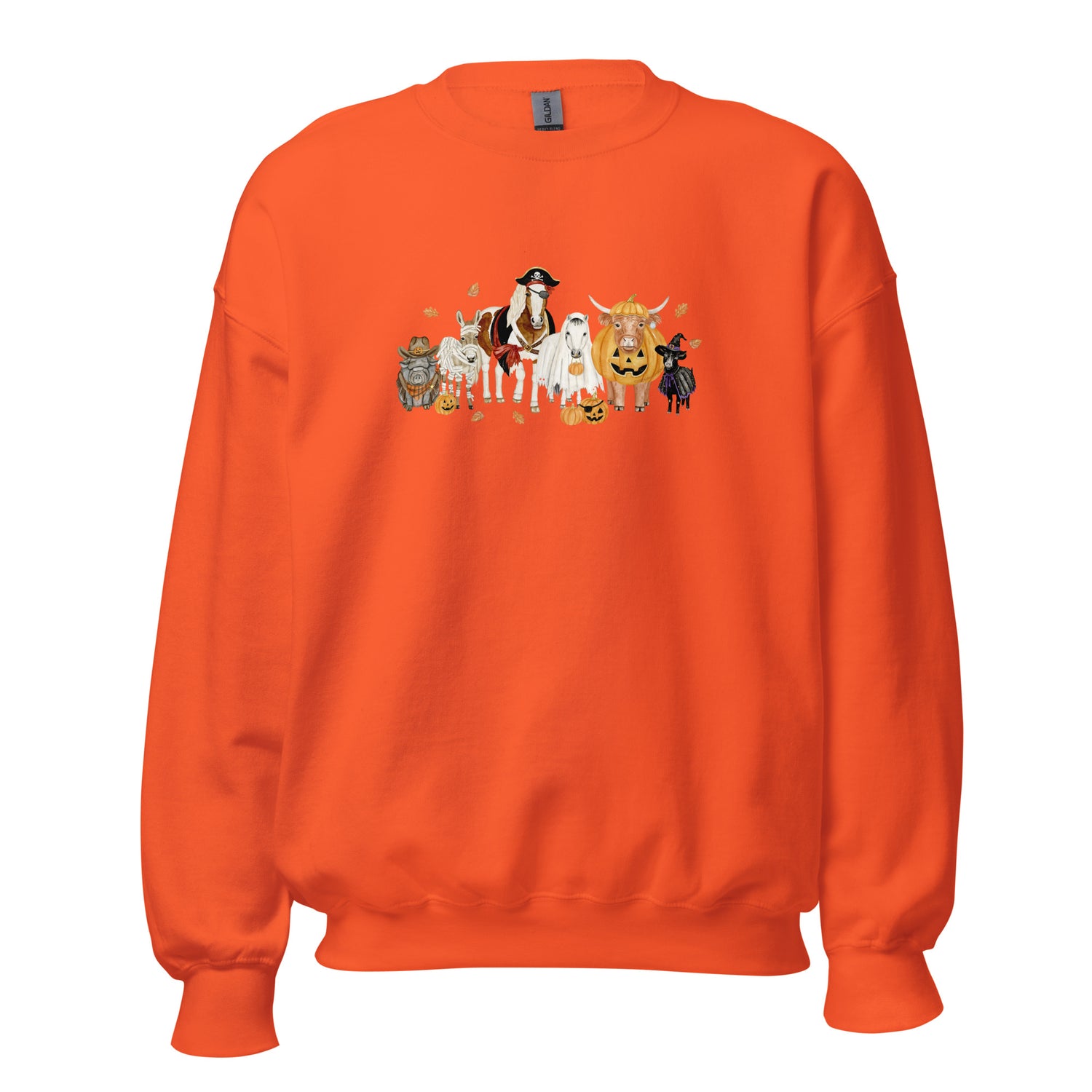
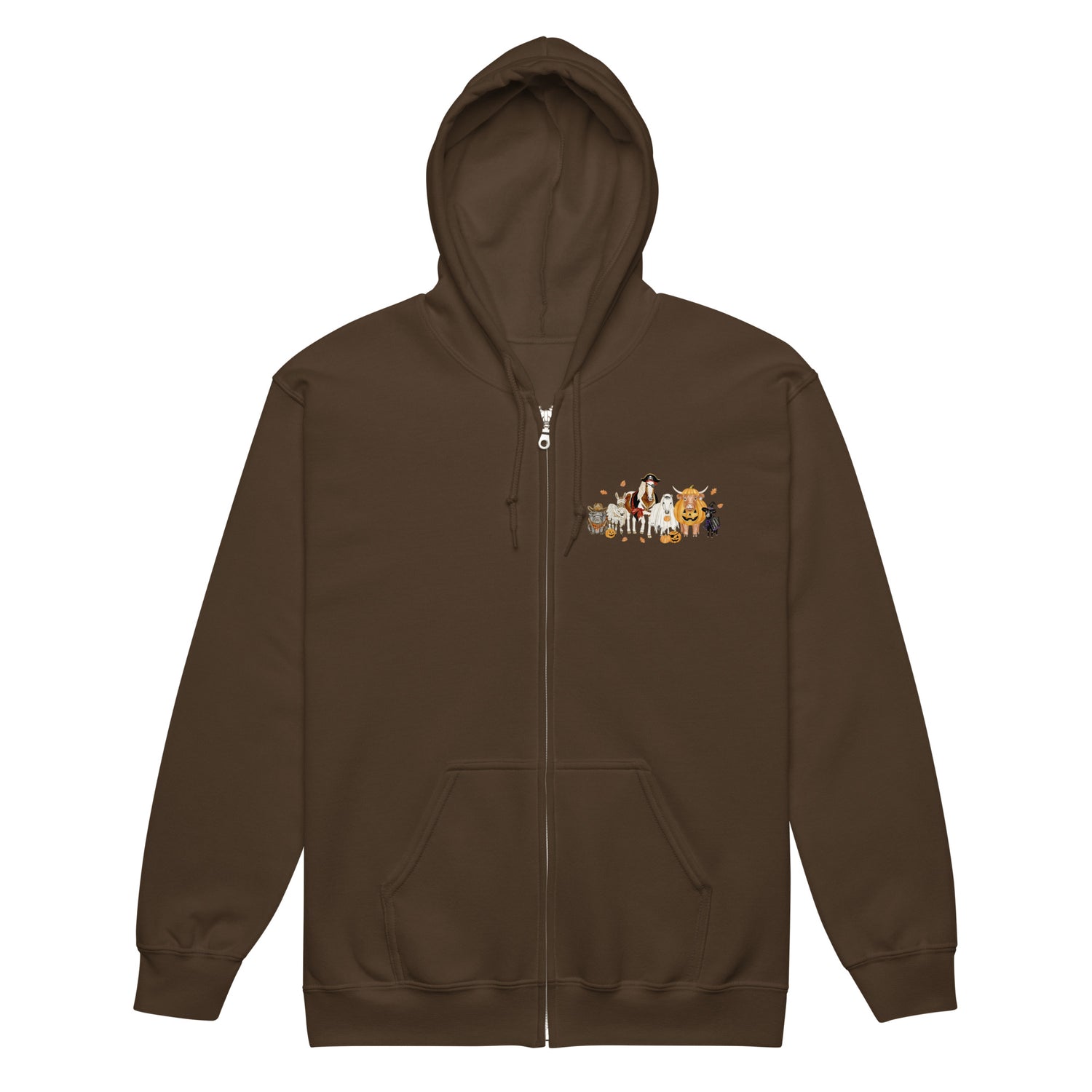
Want to keep up with what's new around the farm and the shop? Our latest drops are where the freshest designs land first.
Shop Running Springs
If you've made it this far, odds are you love these animals as much as I do, and the shop is really just an extension of farm life around here.
Our premium Katie's Collection ships right from Tennessee, and you'll find the animal cast and the Running Springs spirit woven through everything. Whether you're feeding your own horse or just here for the foaling-season updates, there's a little something for you.
Shop All Running Springs Merch
Horse Nutrition, the Running Springs Way
If you take one thing from this guide, let it be this: forage first, always. Build the diet on good grass and hay, add water and salt, and only layer in grain when a horse's job or life stage actually calls for it. Everything else is fine-tuning.
We've fed everything from newborn foals to a horse in his mid-twenties at Running Springs, and the basics never really change. Get the foundation right, make changes slowly, and lean on your vet and a good feed plan for the rest. You can read more about how it all started on my about page, and I'd love for you to keep exploring the farm.
Frequently Asked Questions About Feeding Horses
How much should a horse eat per day?
As a baseline, a horse should eat about 1.5 to 2 percent of its body weight in forage daily. For a 1,000-pound horse, that lands around 15 to 20 pounds of hay or pasture. Hard-working or nursing horses may need more, while easy keepers may need a little less.
How often should you feed a horse?
Little and often is the goal. Horses are built to graze most of the day, so keeping hay or pasture in front of them works best. If you feed grain, split it into at least two or three small meals rather than one big one, and try to feed at the same times each day since horses love routine.
Do horses really need grain?
Not always. Many horses stay healthy on quality forage and a ration balancer alone. Grain is mainly for horses that need extra calories, like performance horses, growing youngsters, or pregnant and nursing mares. When in doubt, a vet or equine nutritionist can tell you whether your horse needs it.
What foods are toxic or unsafe for horses?
Keep horses away from meat, dairy, avocado, potatoes, onions, tomatoes, rhubarb, cruciferous vegetables like cabbage, chocolate, and lawn clippings. Too much fruit or sugary treats can also cause problems, and rich spring grass should be introduced slowly to avoid laminitis.
How much water does a horse drink in a day?
A healthy horse typically drinks anywhere from 5 to 15 gallons a day, and sometimes much more in hot weather, with heavy work, or while nursing. Always offer clean, fresh water, and make sure it doesn't freeze in winter.
Can horses eat treats like apples and carrots?
Yes, in moderation. Apple slices and carrots are classic, safe choices. Just keep it to a piece or two a day, since too many sugary treats can lead to weight gain and digestive trouble.
About the Author

Hi, I am Katie Van Slyke!
I breed AQHA Quarter Horses at my family farm in Tennessee, stand two stallions, and document foaling season every year from the barn floor while sharing the daily realities of farm life.
I am incredibly lucky to share this journey with millions of friends across YouTube, TikTok, Facebook, and Instagram. You can read the full story of how it all started on my about page.














0 comments