
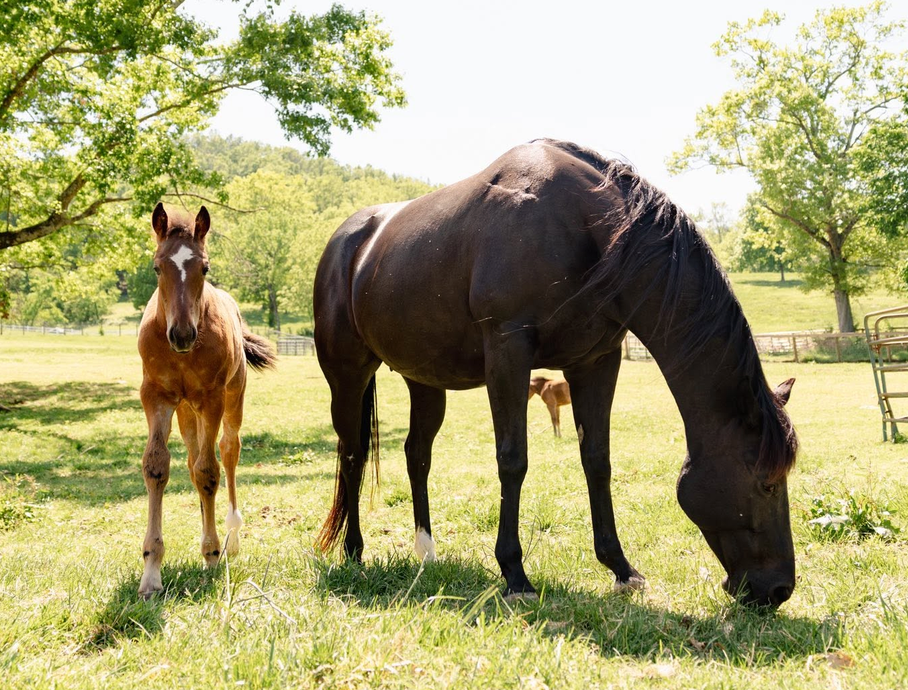
An aged horse is usually one that's 15 years or older. As horses get older, their teeth wear down, their joints get stiff, and their bodies handle food and weather less easily, so they need a few care changes.
The main steps are simple: feed a senior feed or soaked mashes they can chew, have their teeth floated about every six months, keep them moving with daily turnout, give them shelter and a blanket in bad weather, and have your vet run yearly bloodwork to catch problems like Equine Cushing's (PPID) early.
I've got horses at every stage of life at Running Springs, and the older ones hold a special place for me. They've earned their retirement, and honestly, caring for them well is just a way of paying them back for everything they gave me in the show pen and the breeding shed.
Key Takeaways
- An aged horse is generally 15 years or older, though many stay healthy and active well beyond that with good care.
- Switch to hay replacers, soaked hay cubes, or senior complete feeds when worn teeth make long-stem hay hard to chew.
- Float teeth about every six months and get annual bloodwork to catch Cushing's (PPID) and other issues early.
- Keep them moving with daily light turnout, and provide shelter and blankets since seniors regulate temperature poorly.
- Watch herd dynamics so an older horse isn't bullied away from food and water.
- Weigh and body-condition score regularly so slow changes don't sneak up on you.
Horses are living longer and better than ever, and a well-cared-for senior can stay happy and comfortable well into its twenties, sometimes beyond.
The trick is noticing that their needs shift as they age and adjusting before small problems turn into big ones. Aging isn't a disease, it's a stage, and with a few thoughtful changes you can make it a really good one.
If some of the terms below are new to you, my beginner's guide to horse terms is a handy companion to keep open in another tab.
When Is a Horse Considered Aged?
There's no hard cutoff, but horses are often called senior somewhere around 15 to 20 years old. The truth is that age is really about the individual.
Some horses show their years early, going gray around the eyes and dropping weight in their mid-teens, while others stay sound, shiny, and full of opinions into their late twenties and even thirties.
One fun bit of trivia: the phrase "long in the tooth" actually comes from horses, whose teeth appear to grow longer as the gumline recedes with age.
Vets and old-timers can estimate a horse's age just by looking at the wear and angle of the teeth. You'll find more nuggets like that in these horse facts you probably didn't know.
Watch the horse, not the calendar
Rather than circling a birthday on the calendar, I watch the horse in front of me. Body condition, coat quality, how brightly they eat, how easily they get up from a nap, and how they move off in the morning all tell you when it's time to start adjusting care.
A 16-year-old that's stiff and dropping weight needs senior management now; a bright, round 22-year-old might not need much to change yet. Let the horse set the timeline.
Diet and Dental Support
For most aged horses, the very first thing that changes is the mouth. Over a lifetime of grinding forage, teeth wear down, and some eventually loosen or fall out.
When that happens, a horse literally can't chew long-stem hay the way it used to, which leads to dropped, half-chewed wads of hay (called "quidding"), weight loss, and even choke.
Switching the forage
The fix is to give them forage they can actually process. Depending on the horse, that means hay replacers, soaked hay cubes or pellets, chopped forage, or a senior complete feed that's designed to be the whole diet.
Warm, soaked, soupy mashes are a game-changer for a horse with a worn mouth, they're easy to chew, easy to digest, and sneak extra water into a horse that might not drink enough in winter.
Feeding for condition
From there, you feed for the body in front of you. Hard keepers often do well with added calories from soaked alfalfa pellets, rice bran, or a fat supplement, always introduced gradually so you don't upset the gut.
Split meals into smaller, more frequent feedings when you can, since an older digestive system handles little and often better than one giant meal.
And because worn teeth are the root of so much of this, most seniors need their teeth floated (filed smooth) about every six months so sharp points and imbalances don't make eating painful.
Veterinary Screenings and Cushing's
Annual bloodwork becomes one of the most valuable tools you have with a senior.
Once-a-year labs can catch early signs of conditions like Equine Cushing's disease (PPID), kidney or liver changes, and shifts in metabolism long before they show up as obvious outward symptoms. Catching things early is the whole game with older horses.
Understanding Cushing's (PPID)
Cushing's, or PPID, is one of the most common conditions in aged horses. Classic signs include a long, curly coat that doesn't shed out normally, muscle loss over the topline, increased drinking and urinating, a pot-bellied look, and, most seriously, a raised risk of laminitis.
If your horse is diagnosed, daily medication such as pergolide (sold as Prascend) is often prescribed to manage the hormone imbalance and lower that laminitis risk. It's very manageable once you know it's there, which is exactly why yearly testing matters.
Build a senior wellness routine with your vet
Beyond bloodwork, a good senior wellness visit usually includes a dental exam, a body condition assessment, a look at joints and movement, and a conversation about vaccines and deworming tailored to an older immune system.
Sit down with your vet and build a plan you repeat every year, so nothing important slips through the cracks.
Love following along with the herd? You can support the farm and grab something cozy from our apparel collection, or see what's just dropped in new arrivals.
Weather and Blanketing
Older horses have a harder time regulating body temperature, both in bitter cold and in cold, wet, windy weather.
A younger horse can fluff up its coat and burn calories to stay warm; a thin, arthritic senior burns through its reserves fast and can drop weight quickly in a cold snap.
Shelter and blankets
A little help goes a long way here. Provide a solid three-sided run-in shed so they can get out of wind and rain whenever they want. Use a waterproof, breathable blanket as temperatures drop, especially for hard keepers, clipped horses, or anyone who's lost their winter coat to Cushing's.
The key with blanketing is to actually take the blanket off regularly and put your hands on the horse, a heavy blanket can hide weight loss and rubs for weeks if you're not checking underneath.
Joint Care and Movement
Arthritis is almost universal in seniors, but the answer isn't rest, it's the right kind of movement.
Daily, gentle, low-intensity motion keeps stiff joints lubricated, muscles working, and the whole body looser. Locking an arthritic horse in a stall around the clock actually makes stiffness worse, not better.
Keep them turned out
The single best thing most owners can do for an arthritic senior is generous daily turnout so the horse can amble, graze, and self-regulate its movement.
Even a fully retired horse benefits from the everyday walking and grazing I talk about in my guide to handling horses in the pasture.
If your horse is still comfortable, light, purposeful exercise like hand-walking or easy hacks can help too, just let their comfort set the pace.
Supportive extras
Talk to your vet about joint support that fits your horse, from oral supplements to injections to anti-inflammatory pain management for tougher cases.
Good, level footing, soft bedding to lie down on, and regular farrier care to keep feet balanced all make a real difference to a stiff old body. Comfortable feet and comfortable joints go hand in hand.
Herd Dynamics and Comfort
Here's something people overlook: older horses often slip down the pecking order, and that quietly costs them.
A senior that used to boss the field can end up getting run off the hay, shoved away from the water trough, or chased at feeding time by younger, pushier horses.
You can be feeding beautifully and still have a thin senior simply because it isn't getting its share.
Set them up to win
Make sure your older horse actually gets to eat and drink in peace. That might mean feeding it in a separate stall or pen, spreading out multiple hay piles and water sources so no one horse can guard them all, or grouping the senior with quieter, more compatible companions.
I'm always watching who's bonded with whom and who's getting bullied, and you can meet the personalities I'm balancing in Meet the Herd and see the whole crew in the animal kingdom at Running Springs.
Monitoring Weight and Body Condition
With seniors, weight changes tend to happen slowly, so slowly that you can miss them when you see the horse every single day. That's exactly why I lean on tools instead of just my eyeballs.
A weight tape every couple of weeks, regular body condition scoring, and even quick monthly photos from the same angles will catch a downhill slide long before it becomes a crisis.
The goal is a horse that's neither ribby nor overweight, you want to feel ribs easily but not see them, with a topline that's holding muscle.
If the numbers start dropping, don't wait and see: recheck teeth, bump up calories, and loop in your vet to rule out an underlying issue. Catching a five-pound loss is easy; catching a fifty-pound loss is a much harder road back.
Caring for My Older Horses at Running Springs
With a farm full of animals, I've learned that seniors thrive on a little extra attention and a lot of routine. Soaked feed served warm on cold mornings, steady turnout so joints stay loose, a blanket the second the weather turns, and a close, honest eye on weight and teeth, that's the whole recipe, and it's not complicated. It just takes showing up every day and really looking.
What I love about caring for an older horse is how much they give back. They're steady, they're wise, and they've usually got a personality that only decades of being spoiled can produce. They gave me their best years under saddle and in the breeding shed, so keeping them comfortable now is genuinely the easy part of the deal. If you're building your own routine, my frequently asked questions page answers a lot of the everyday care questions I get.
Early-morning senior checks in the cold call for warm layers. My Katie's Classics pieces are my go-to for barn mornings.
Final Thoughts on Aged Horse Care
Good senior horse care isn't complicated, it's attentive. Adjust the diet for their teeth, keep them moving, protect them from the weather, watch the herd so they get their share, and screen for problems early with your vet.
Weigh them, put your hands on them, and change your plan the moment the horse tells you to. Do those things consistently and your aged horse can enjoy a long, comfortable, dignified retirement, which is exactly what they've earned.
Frequently Asked Questions
What should you feed an old horse that can't chew hay?
Switch to forage it can actually process: hay replacers, soaked hay cubes or pellets, chopped forage, or a senior complete feed, often served as a warm, soupy mash. Feed smaller, more frequent meals, add calories like soaked alfalfa or rice bran if needed, and always make changes gradually to protect the gut.
How do I know if my senior horse has Cushing's?
Common signs of Equine Cushing's (PPID) include a long, curly coat that won't shed out, muscle loss over the topline, increased drinking and urinating, a pot-bellied look, and laminitis. Annual bloodwork is the best way to catch it early, and if your horse tests positive, daily medication like pergolide usually manages it well.
Should an old horse be stalled or turned out?
Turned out. Daily light turnout keeps arthritic joints moving, muscles working, and the whole horse looser. Constant stalling tends to make older horses stiffer and more uncomfortable, so aim for as much gentle, self-paced movement as your setup allows, with shelter available.
Do senior horses need blankets?
Often, yes. Older horses regulate temperature poorly and can lose weight fast in cold, wet, or windy weather, especially hard keepers, clipped horses, or those with Cushing's who don't grow a normal coat. Use a waterproof, breathable blanket when it's cold and damp, and check under it regularly for weight loss and rubs.
Why is my senior horse losing weight?
The most common cause is dental wear that makes chewing hay hard, but weight loss can also come from Cushing's, parasites, being bullied off feed by other horses, or another underlying illness. Recheck the teeth, make sure the horse is getting its share of feed, and have your vet run bloodwork to find the cause rather than just adding more grain.
About the Author

Hi, I am Katie Van Slyke, and I share my daily life at Running Springs farm with millions of wonderful people online. I breed, foal out, and raise American Quarter Horses, and I am best known for raising a huge variety of animals, from champion Quarter horses to famous mini Highland cows.
I am incredibly lucky to share this journey with millions of friends across YouTube, TikTok, Facebook, and Instagram. You can read the full story of how it all started on my about page.
Sources
The general senior-care guidance in this article is supported by the equine references below. Everything about my own horses comes from firsthand experience at Running Springs.













0 comments