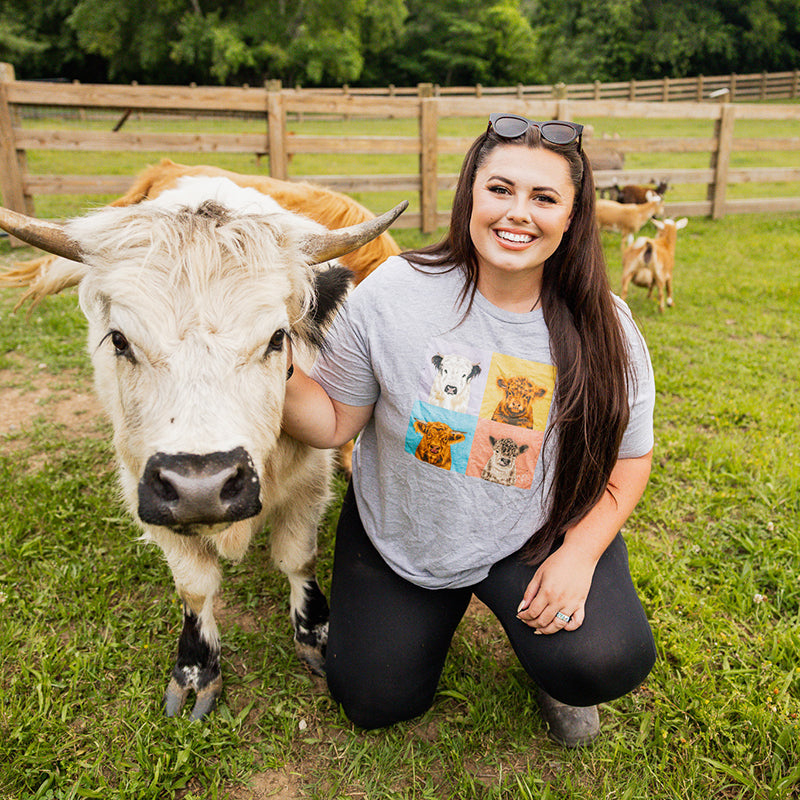
Hi y'all, Katie Van Slyke here! "How much is a mini cow?" is probably the number one question I get in my DMs, and the honest answer is: it depends.
The mini cow price ranges wildly depending on breed, age, genetics, and the breeder you're working with.
Today, I'll walk you through what we've actually spent at Running Springs, the hidden costs nobody tells you about, and how to budget before you bring one home.
Here's the real talk.
Key Takeaways
- A mini cow's purchase price varies with breed, age, sex, registration, genetics, size, color, breeder reputation, and location.
- The buying price is only part of the budget; transport, fencing, shelter, forage, minerals, and veterinary care also matter.
- A baby cow may cost less than a breeding-age female, but the calf's mature size and future suitability still need verification.
- General cattle prices and miniature Highland prices are not interchangeable because the animals may be sold for very different purposes.
What's In Here
-
The Short Answer: How Much Does a Mini Cow Cost?
-
How Much Do Mini Cows Cost by Breed?
-
What Drives the Mini Cow Price Up (or Down)
-
The Hidden Costs of Mini Cow Ownership
-
How Much Is a Mini Cow Compared to Standard Cattle?
-
Where to Buy a Mini Cow (and Red Flags to Avoid)
-
How to Estimate Your Own Mini Cow Budget
-
Is a Mini Cow Worth the Investment?
-
Budgeting for Your First Mini Cow: Final Thoughts
-
Common Questions About Mini Cow Prices
The Short Answer: How Much Does a Mini Cow Cost?

If you're looking for a quick number, most mini Highland cows cost between $2,000 and $10,000 in 2026. But that range is massive for a reason. A young, unregistered steer from a small farm might sit on the lower end, while a registered heifer from proven genetics with a reputable breeder can easily push past $8,000 to $12,000.
Here's a general breakdown of mini cow price by type:
| Animal Type | Typical Price Range |
|---|---|
| Mini Highland calf (unregistered) | $1,800 to $3,500 |
| Mini Highland calf (registered) | $3,500 to $7,000 |
| Mini Highland heifer (breeding age) | $6,000 to $12,000 |
| Mini Highland steer (pet/companion) | $2,000 to $5,000 |
| Micro mini Highland | $5,000 to $15,000+ |
The "micro mini" category is where prices really get wild. These are Highlands bred to stay under 36 inches at maturity, and the selective breeding required to get there drives the cost way up. Some breeders charge $15,000 or more for a micro mini heifer from premium lines.
How Much Do Mini Cows Cost by Breed?
Everything above is Highland-specific, because that's what we raise. But "mini cow" really covers a whole family of breeds, and the price swings a lot depending on which one you're after.
The International Miniature Cattle Breeders Registry, the world's oldest and largest mini cattle registry, recognizes more than 26 breeds, but a handful drive most of the market.
Across those popular breeds, you'll generally see anywhere from about $500 on the low end up to $12,000 and beyond for the most sought-after fluffy Highlands.
Here's how the most common ones tend to shake out:
| Breed | Typical Price Range | Known For |
|---|---|---|
| Mini Highland & HighPark | $2,500 to $12,000+ | The fluffy, viral favorites, and the priciest of the bunch |
| Mini Jersey | $1,800 to $10,000 | A gentle family milk cow; top pedigrees run highest |
| Mini Dexter | $1,000 to $3,000 | Hardy and dual-purpose for milk and small-scale beef |
| Mini Zebu | $500 to $2,500 | One of the smallest breeds, and usually the most affordable |
| Lowline Angus / Belted Galloway | $1,500 to $4,000 | Small-scale beef with striking looks |
A few patterns hold across every breed: heifers cost more than steers, registered animals cost more than unregistered, and the smaller and more "true to type" the animal, the higher the price.
These ranges reflect current market listings rather than any official price guide, since prices move with supply and demand.
What's more consistent is the care math: miniatures cost more per pound than standard cattle but are cheaper to keep, because they eat only about one-third as much feed.
And if milk is your goal, a small dairy breed like a Mini Jersey cow gives roughly a gallon to a gallon and a half per milking, plenty for a family without drowning you in milk.
Why the Category Matters
When someone asks how much cows cost to buy, the answer changes with the type of cattle and the reason for the purchase. Commercial beef cattle, registered breeding stock, family milk cows, pet steers, and miniature Highlands are not priced from the same market or evaluated by the same traits.
A Highland cattle price also depends on whether the animal is full-size or miniature, registered or unregistered, breeding quality or pet quality, and a calf or mature animal. Compare like with like before deciding whether a listing is high or low.
Ask what records, health work, registration, training, and transport are included. Then add the cost of safe facilities and ongoing care before deciding what the animal will really cost you.
What Drives the Mini Cow Price Up (or Down)
I've seen people get frustrated when they find out two seemingly similar calves have a $5,000 price difference. But once you understand what goes into pricing, it makes a lot more sense. Here are the biggest factors:
Age and Gender
Heifers cost more than steers. That's almost always true. A heifer has breeding potential, which means she can produce calves for years, and that future value is built into the price. Steers are castrated males typically sold as companions or pets, so they're on the lower end.
Calves are usually cheaper than adult cows, but not always. A well-bred calf from a proven dam and sire might cost more than an older cow with no breeding history.
Genetics and Registration
Registered animals with documented pedigrees from breeders who are part of the American Highland Cattle Association will command higher prices. You're paying for verified lineage, health records, and the assurance that the animal is genuinely miniature and not just a young standard-sized Highland.
At Running Springs, our mini Highland cows are purebred. Poppy and Petunia are the OGs of our "P" crew, and every mini we've added since has been carefully chosen for temperament and genetics.
Size and Generational Breeding
Here's a nuance a lot of first-time buyers miss: not every "mini" is equally mini. A first-generation (F1) cross is often around 50 percent standard-sized stock, so it tends to be bigger and cheaper.
A "true" miniature that's been bred down over multiple generations is smaller, far more predictable in size, and costs more.
Vets generally sort mini cattle into three size classes: midsize (42 to 48 inches), standard miniature (36 to 42 inches), and micro mini (under 36 inches).
The smaller and more consistent the line, the higher the price, which is exactly why micro minis sit at the top of the market.
Registries like the IMCBR track these generational classes, and a documented, registered animal almost always commands a premium.
Color and Markings
This one surprises people, but coat color matters. Red and black Highlands are classic and widely available. Rarer colors like silver dun, white, or brindle can add a premium. It's purely a supply and demand thing.
Breeder Reputation and Location
A breeder with years of experience, health guarantees, and strong reviews will charge more, and honestly, that's a good thing.
Cheap cows from unknown breeders are the most expensive mistake you can make. I've heard too many stories of people buying a "mini" cow online that turned out to be a standard Highland calf, or one with undisclosed health issues.
Location plays a role too. Mini Highlands are more common in the Midwest and Southeast, where prices may be slightly lower than in states where they're harder to find.
Always visit the breeder's farm if you can. Meet the parents of the calf you're buying, ask for height measurements of the sire and dam at maturity, and request health and vaccination records. If a breeder won't let you visit or can't provide documentation, that's a red flag. Walk away.
The Hidden Costs of Mini Cow Ownership

Here's where I get really honest with y'all. The purchase price of your mini cow is just the beginning. In fact, I'd argue the cow itself is the cheapest part of the deal when you add up everything else.
Transportation
Unless the breeder is next door, you'll need to transport your new mini cow. Hiring a livestock hauler typically costs $200 to $1,000+ depending on distance. Some breeders offer delivery for an additional fee, which can be worth it for the peace of mind.
Fencing
Good fencing is non-negotiable. Mini cows are smaller than standard cattle, which means they can slip through gaps and under fences more easily.
Budget $1,500 to $5,000+ for a secure livestock fence around your pasture. The exact cost depends on acreage and materials (high-tensile wire, board fencing, or a combination).
Shelter
Mini Highlands are hardy and handle cold weather well thanks to their thick double coat, but they still need a windbreak or run-in shelter at minimum. A simple three-sided structure can cost $500 to $2,000. A proper barn will run more.
Annual Upkeep Costs
Once your cow is home, the ongoing expenses add up. Here's what a realistic year looks like:
| Annual Expense | Estimated Cost |
|---|---|
| Hay and feed | $300 to $800 |
| Loose cattle minerals | $50 to $150 |
| Vet care (vaccines, deworming, checkups) | $200 to $600 |
| Hoof trimming | $50 to $200 |
| Fly and parasite control | $50 to $200 |
| Fence and shelter maintenance | $200 to $500 |
| Emergency vet fund | $500 to $2,000 (set aside) |
All told, you're looking at roughly $1,200 to $2,500 per year in ongoing care costs per cow. Mini cows eat less than full-size cattle, which helps, but they still need quality hay, pasture management, and routine vet visits.
Already obsessed with mini cows? Our Poppy and Petunia mini cow collection lets you rep the mini cow life, even if your mini cow budget isn't quite there yet.
How Much Is a Mini Cow Compared to Standard Cattle?
This is a question I get a lot, and the answer might surprise you. Standard Highland cattle typically sell for $2,500 to $7,000 for a quality cow, which is actually less than many mini Highlands.
Regular commercial beef cattle (like Angus or Hereford) can cost even less, often in the $1,500 to $3,000 range for a feeder steer.
So yes, miniature cows are often more expensive than full-size cattle. The reason comes down to supply and demand. Mini Highlands are a niche market with high social media-driven demand and limited supply from ethical breeders.
Producing truly miniature cattle takes generations of selective breeding, and that time and expertise is reflected in the price.
That said, the ongoing costs are lower. Mini cows eat less, need less space, and are easier on fencing and infrastructure.
Over a 15 to 20 year lifespan, the total cost of ownership can actually be comparable to, or even less than, standard cattle.
Where to Buy a Mini Cow (and Red Flags to Avoid)
Finding a reputable breeder is the single most important step. Here's where to start:
- Breed associations. The American Highland Cattle Association has a breeder directory. Not all list minis specifically, but it's a solid starting point.
- Facebook groups. There are active Highland cattle communities where breeders post available animals. Ask around, read reviews, and don't rush.
- Farm visits. If you can drive to the breeder, do it. Nothing replaces seeing the animals, the facilities, and the breeding stock in person.
- Word of mouth. Once you start talking to one breeder, they'll often point you toward others in the community.
Now for the red flags. Please watch out for these:
- Prices that seem too good to be true. A $500 "mini Highland" is almost certainly a standard calf being misrepresented.
- No farm visits allowed. If they won't let you see the parents or the farm, walk away.
- No health records or registration papers. Ethical breeders provide vaccination records, genetic documentation, and registration if applicable.
- Pressure to buy quickly. Good breeders actually want to qualify their buyers. If someone is rushing you to send money, it's a scam.
- "Micro mini" claims without proof. Ask for the mature height of both parents. If they can't provide measurements, be cautious.
I've documented our mini cow journey extensively on TikTok and YouTube, including the breeding process, care routines, and all the messy realities. If you're researching, those videos might give you a better feel for what day-to-day mini cow life actually looks like.
How to Estimate Your Own Mini Cow Budget
Since the price swings so much, the smartest thing you can do is get specific about your own situation before you ever message a breeder. Run through these four questions:
- Do you have the land and zoning? Confirm you have enough pasture (figure at least a half acre per cow) and that your property is actually zoned for livestock before anything else.
- What's your goal: pet, milk, or breeding? A companion steer is the most affordable path. A family milk cow points you toward a Mini Jersey or Dexter. Breeding means a registered heifer and a bigger budget.
- Which breed fits your life? Fluffy Highland for the looks and cold-hardiness, Jersey or Dexter for milk, Zebu for heat tolerance and a gentler price.
- Have you budgeted the whole picture? Add the purchase price to your setup costs (fencing, shelter, hauling) plus that first year of feed and vet care. That total is your real number, not the sticker price.
Run through those four and you'll go from "it depends" to a realistic range you can actually plan around. And if you want to talk it through, my comments and DMs are always open.
Is a Mini Cow Worth the Investment?

This is really what it comes down to. And my honest answer is: yes, if you're going in with the right expectations.
A mini cow is not a puppy. It's livestock that lives 15 to 20 years. You need land, fencing, a vet relationship, and the time to care for them daily. But if you have those things, or are willing to build them, the reward is real.
Poppy and Petunia changed everything about Running Springs for me. They brought in a whole new audience, they've been the foundation of our breeding program, and honestly, they just make every day at the farm better. You can't put a price on watching Pumpkin and Posie chase each other across the pasture or seeing Pippa settle into the herd like she's always been here.
Just make sure you budget for the full picture. Not just the mini cow price, but the fencing, the feed, the vet bills, and the 3 a.m. check when something doesn't look right. That's what real ownership costs, and it's worth every penny.
Shop Running Springs
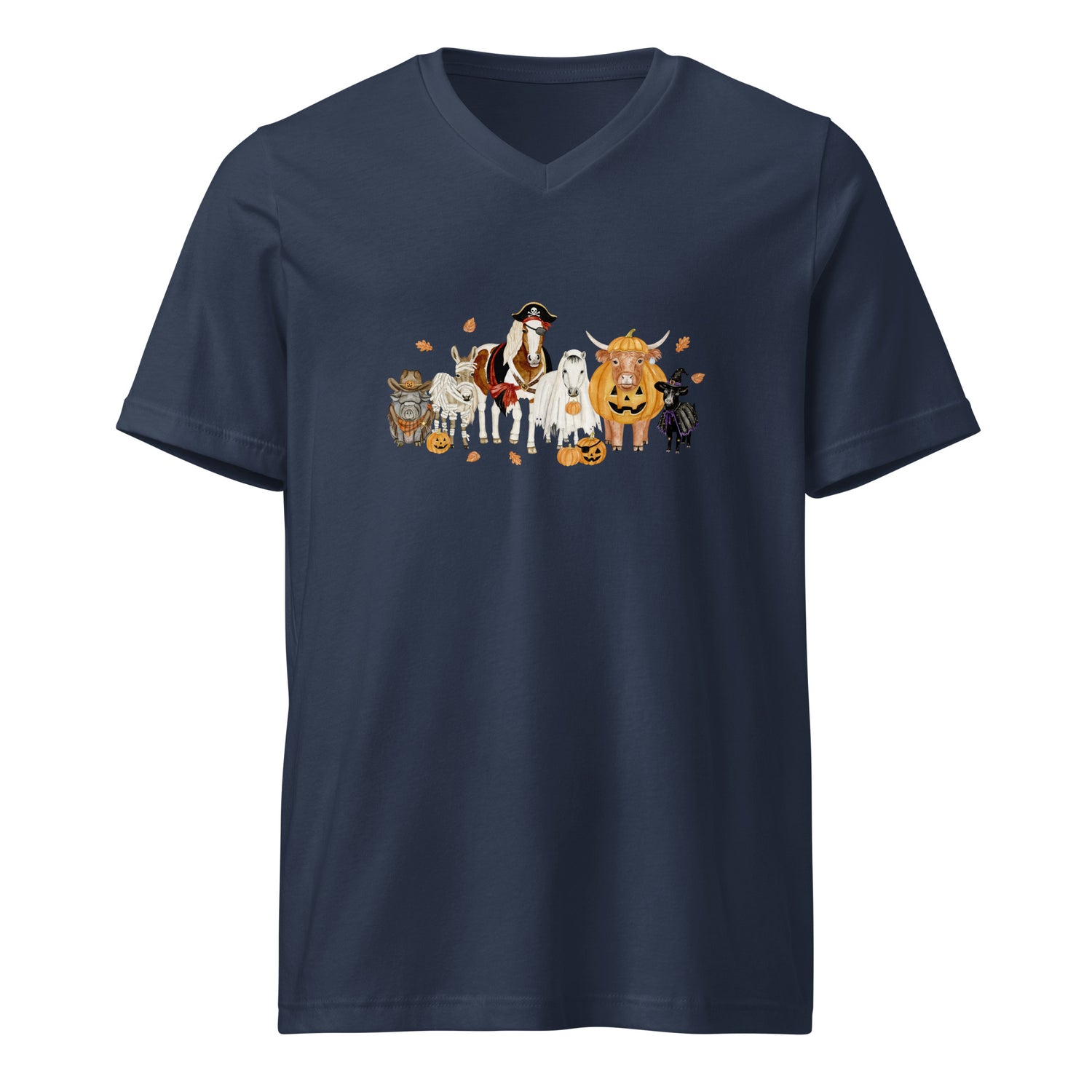
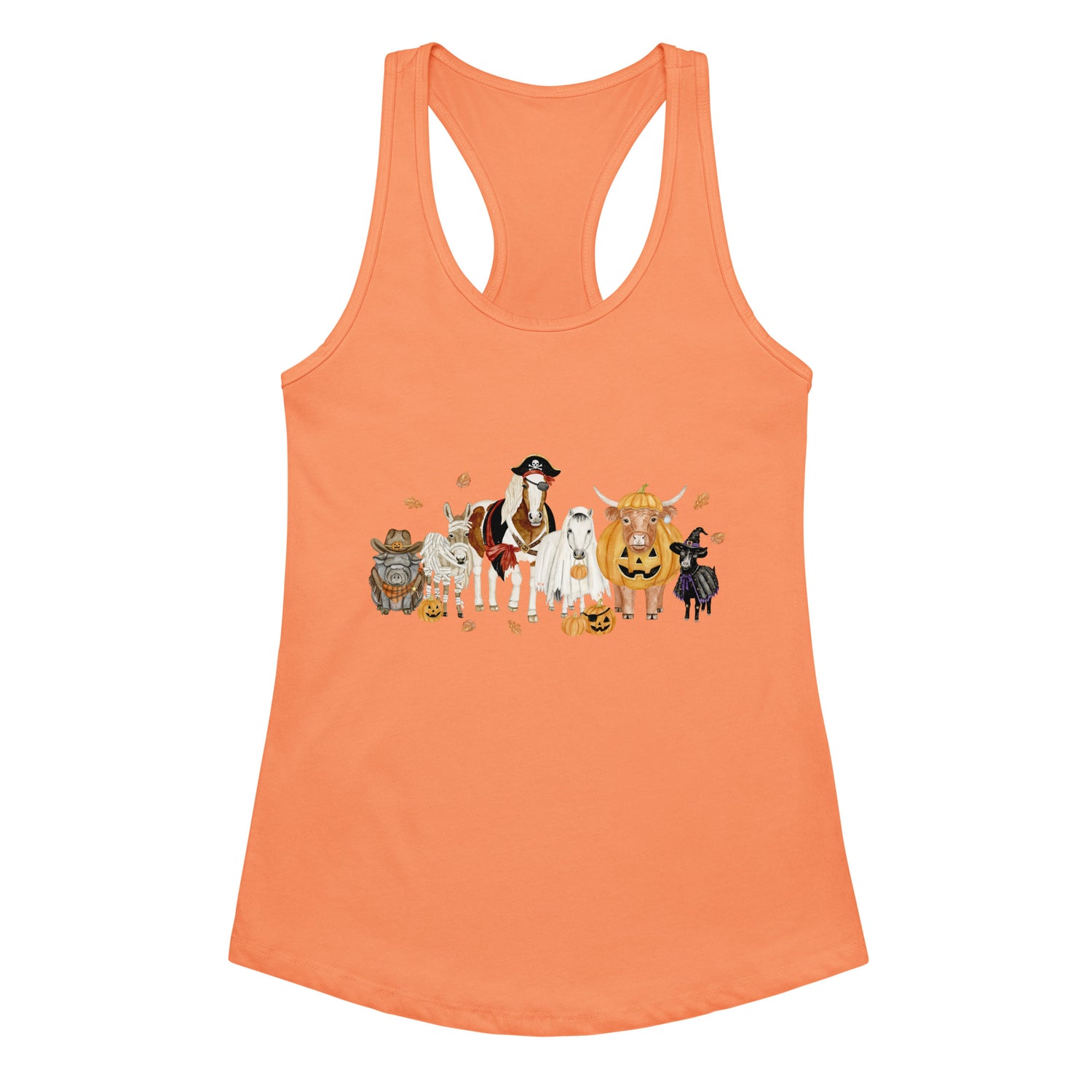
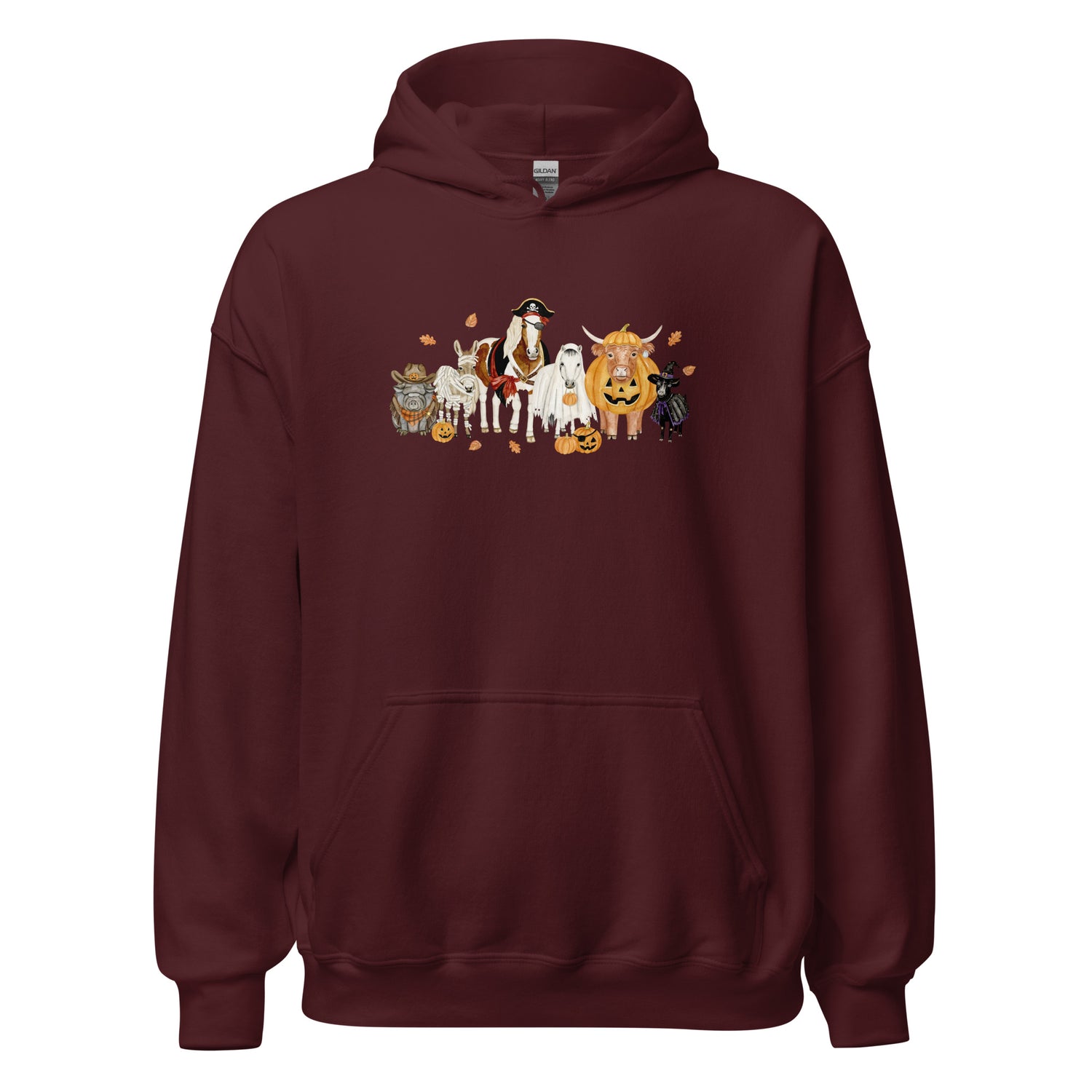
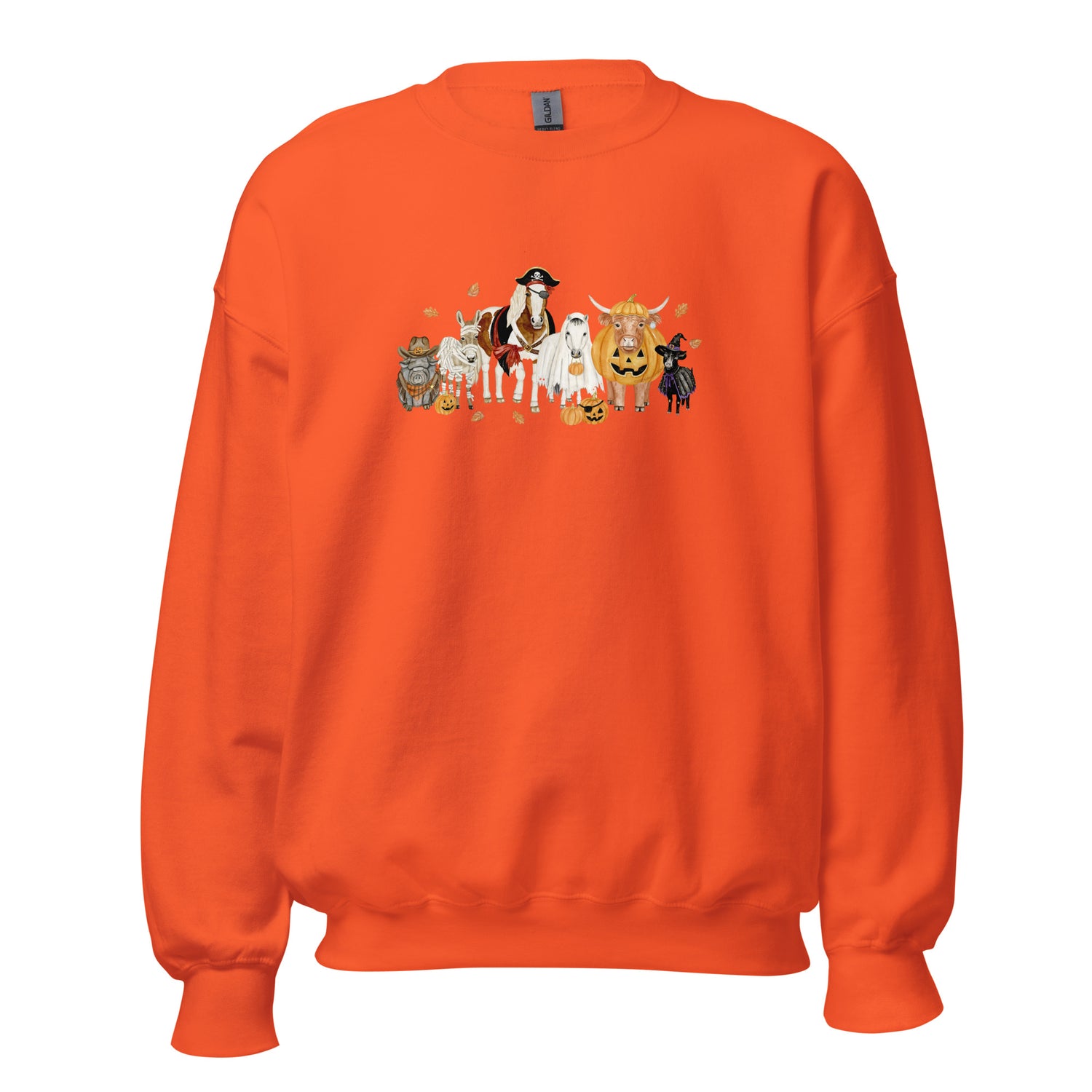
While you're saving up for your own mini cow (or just want to celebrate the farm life from home), come check out the Katie's Classics collection for our fan-favorite staples, or browse the latest new arrivals for fresh drops. Every purchase supports the farm and the animals you've been following along with.
Shop All Running Springs Merch
Budgeting for Your First Mini Cow: Final Thoughts
If there's one thing I want y'all to take away from this, it's that how much a mini cow costs is about so much more than the sticker price. The purchase is just day one. The real investment is in the years of care, the infrastructure, and the commitment to giving these animals a great life.
Do your research. Talk to breeders. Visit farms. Build your budget with room for surprises (because there will be surprises). And when you're finally ready, you'll know it, and it'll be one of the best decisions you ever make.
If you want to see what life with 176 animals actually looks like, I share the good, the bad, and the fluffy every single day on Facebook and Instagram. Come say hi!
Common Questions About Mini Cow Prices
Why are mini cows so expensive?
Mini cows cost more than standard cattle because they require generations of selective breeding to maintain their small size. The supply is limited compared to standard breeds, and demand has skyrocketed thanks to social media. Ethical breeding practices, health testing, and registration all add to the cost.
What is the cheapest mini cow breed?
Miniature Zebu are usually the most affordable, often $500 to $2,500, since they're one of the oldest and smallest breeds and are fairly available. Mini Dexters tend to be budget-friendly too. The fluffy Mini Highlands are the priciest of the popular breeds.
Which mini cow is best for milk?
For a family milk, a Mini Jersey cow or Mini Dexter cow is your best bet. Both typically produce about one to three gallons a day, enough for a household without the flood a full-size dairy cow brings. Highlands are a beef and companion breed rather than a dairy breed.
Can you find a mini cow for under $1,000?
It's extremely rare, and I'd be cautious. Animals priced that low are often standard calves being sold as 'minis,' or they may have undisclosed health issues. A good rule of thumb: if the price seems too good to be true, it probably is.
Do mini cows cost more to maintain than regular cows?
Actually, no. Mini cows generally eat less, need less pasture, and are easier on fencing and infrastructure. Annual upkeep typically runs $1,200 to $2,500 per cow, which is often less than full-size cattle depending on your setup.
Is it cheaper to buy a mini cow calf or an adult?
Calves are usually less expensive upfront ($1,800 to $5,000 for minis), but they require more hands-on care during the first year. Adults, especially proven breeding heifers, cost more initially but come with less guesswork about their mature size and temperament.
How much does it cost to breed mini cows?
Breeding adds costs for semen, AI supplies, and vet visits. At Running Springs, we use CIDRs for cycle synchronization and artificial insemination, which involves vet fees for each breeding attempt plus the cost of semen from the bull. While it is a significant investment, it is an essential part of building a thoughtful breeding program.
Are mini Highland cows a good investment?
They can be, especially if you plan to breed. Quality mini Highland calves sell well, and the market has been strong. But don't buy a mini cow purely as a financial investment. Buy one because you're committed to the animal and prepared for the long-term care. The money side works out when you do things right.
How much is a baby cow?
The price of a calf varies widely by breed, sex, registration, genetics, age, health work, and intended use. A lower purchase price does not remove the cost of fencing, transport, feed, veterinary care, and growing the calf safely.
About the Author

Hi, I am Katie Van Slyke!
I breed AQHA Quarter Horses at my family farm in Tennessee, stand two stallions, and document foaling season every year from the barn floor while sharing the daily realities of farm life.
I am incredibly lucky to share this journey with millions of friends across YouTube, TikTok, Facebook, and Instagram. You can read the full story of how it all started on my about page.
Sources
The general care, size, feed, milk, and registry facts in this guide are drawn from the following. Price figures reflect current market listings and our own first-hand experience at Running Springs.
- Taylorsville Veterinary Clinic (Mt. Airy, MD), "Caring For A Miniature Cow"
- Hobby Farms, "Miniature Cattle: 5 Breeds For Small Farms"
- International Miniature Cattle Breeders Registry (IMCBR), minicattle.com
- Mother Earth News, "Small-Breed Milk Cows"
- American Highland Cattle Association, highlandcattleusa.org













1 comment
Hello, I’d really appreciate your help. We are a small school. The children will be fund raising to by a mini cow. Is there a breeder where we could purchase a cow between $1000 and $3000? We are based just outside dallas tx.
Thank you