Written from first-hand experience raising registered Simmental cattle at Running Springs in Tennessee.
Hi y'all, Katie Van Slyke here! I grew up on a cattle farm, and these days my husband, my parents, and I raise registered Simmental cattle right here at Running Springs, so cow lingo is just part of my everyday.
If you're new to cattle farming, all the terms like heifer, bull, steer, and seed stock can run together fast.
Today I'll walk you through the most common cow terms, how they connect across the cattle life cycle, and a bigger glossary of words you'll hear around the barn. Let's dive in.
Key Takeaways
- Cattle is the broad term for domesticated bovines; cow specifically means a mature female that has had a calf.
- A heifer is a female that has not calved, a bull is an intact male, and a steer is a castrated male.
- Calf applies to a young animal of either sex, while sire and dam identify the father and mother in a pedigree.
- Production terms such as seedstock, feeder, stocker, and replacement heifer describe an animal’s role or stage.
What's In Here
-
The Most Common Cow Terms at a Glance
-
The Cattle Life Cycle: From Calf to Cow
-
A Quick Word on How Cattle Are Bred
-
More Cattle Terms Worth Knowing
-
Beef Production and Grading Terms
-
Speaking the Language of Cattle Farming
-
The Meaning of Cattle in One Sentence
-
Frequently Asked Questions About Cow Terms
The Most Common Cow Terms at a Glance
Here's the whole list at a glance before we dig into each one:
| Term | Quick definition |
|---|---|
| Cow | Mature female that has had at least one calf |
| Heifer | Young female that hasn't had a calf yet |
| Bull | Intact (uncastrated) mature male used for breeding |
| Steer | Castrated male raised mainly for beef |
| Calf | Young bovine under one year old |
| Cleanup bull | Bull turned out after AI to breed any cows that didn't conceive |
| Beef cattle | Breeds raised for meat (Angus, Hereford, Simmental) |
| Dairy cattle | Breeds raised for milk (Holstein, Jersey, Brown Swiss) |
| Seed stock | Registered breeding cattle with superior genetics |
| Simmental | Swiss dual-purpose breed; in the U.S., raised mainly for beef |
What Is a Cow?

A cow is a fully mature female bovine that has given birth to at least one calf. Whether she's part of a dairy or beef herd, a cow is an experienced mama and often the calm, steady leader of the group.
On any farm, cows are the backbone of the whole operation, producing milk, calves, and generations of strong genetics.
My very first cow, Leona, is the foundation of our whole herd. She's given me daughters and granddaughters over the years, and watching that family line grow is one of my favorite parts of this.
If you want to meet more of the girls, I introduced a bunch of them in our calf count update from Running Springs.
What Is a Heifer?
A heifer is a young female bovine that hasn't had a calf yet, or is about to have her first. Think of her as a teenage cow, still growing and learning before she becomes a full-fledged mother. The term technically covers a female from weaning until her first calving. Once a heifer has her first calf, she officially becomes a cow.
We keep our best heifers to strengthen our future breeding stock, those are called replacement heifers. A good example is MoonPie, a first-calf heifer I bought at a sale who's now part of the program. Picking which heifers stay is one of the most important decisions we make each year.
What Is a Bull?
A bull is an uncastrated male bovine that's capable of breeding. Bulls are muscular, powerful, and essential for producing the next generation of cattle.
Because of their strength and natural instincts, bulls require careful handling and secure fencing. In most herds, a few high-quality bulls are used to breed dozens of cows each season.
What Is a Steer?
A steer is a male bovine that has been castrated, usually when he's young. Steers are raised primarily for beef rather than breeding. Because they don't produce much testosterone, their meat tends to be more tender and better marbled than a bull's, which is a big reason most of the beef you eat comes from steers and heifers, not bulls.
What Is a Calf?

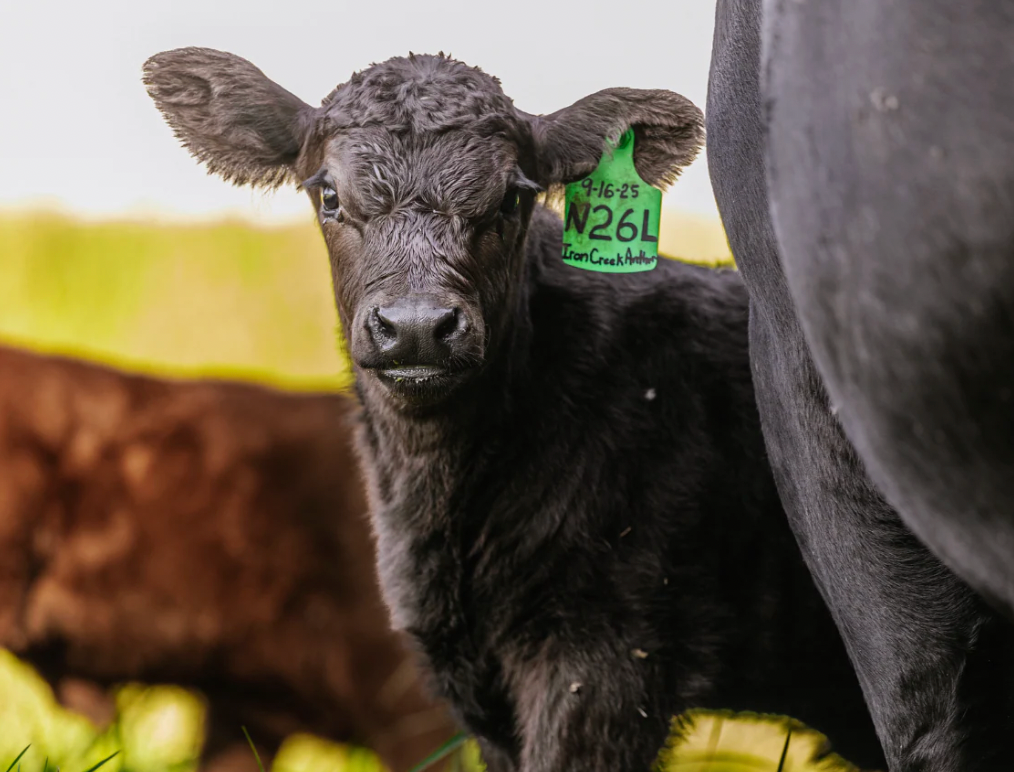
A calf is a young bovine less than a year old. Both males and females are called calves, though you'll hear "bull calf" for males and "heifer calf" for females.
Calves nurse from their mothers until they're weaned, and honestly, watching them buck around the pasture is one of the most rewarding parts of raising cattle. Every calf born here carries our "Miss RSCC" prefix for Running Springs Cattle Co.
What Is a Cleanup Bull?
A cleanup bull is a bull turned out with the herd after artificial insemination (AI) to breed any cows that didn't settle the first time.
About two weeks after AI, he goes out with the cows to catch anything that didn't conceive artificially. It's a natural, reliable backup that boosts your overall pregnancy rate and keeps calving season tighter and more synchronized.
What Are Beef Cattle?
Beef cattle are breeds raised specifically for meat production. Popular beef breeds include Angus, Hereford, and Simmental. These cattle are built to put on muscle efficiently, producing flavorful, well-marbled beef, and they're stockier than dairy cattle.
Breeders focus on traits like growth rate, carcass quality, and feed efficiency. Our Simmentals fall squarely in this category.
Love following the farm? You can shop designs inspired by the whole crew in the Animals collection.
What Are Dairy Cattle?
Dairy cattle are bred to produce large quantities of milk. Breeds like Holstein, Jersey, and Brown Swiss are known for high milk output and calm personalities.
Dairy cows have leaner builds and larger udders than beef cows. They can still be used for beef after their milking years, but their main job is milk production.
What Is Seed Stock?
Seed stock refers to cattle raised for breeding rather than for immediate beef production. These are breeding animals sold as a genetic package rather than as commercial production animals.
Seed stock breeders focus on producing top-quality bulls and heifers to sell to other herds, so they're really the "foundation animals" that help build better, stronger herds across the industry.
This is the side of cattle we love at Running Springs. We raise registered Simmental, keep careful track of pedigrees, and from time to time we sell cattle to new farm families. If you're curious what's available, you can always peek at our Horse & Cattle Sales page.
What Is a Simmental?

Simmental cattle are a Swiss breed originally developed for both milk and meat. Here in the U.S., they're raised mostly as beef cattle. They're known for a calm temperament, strong build, and excellent mothering instincts, which makes them a favorite for breeders who want both quality beef and easy-to-handle animals.
You'll also see plenty of Simmental-Angus crosses that combine beef quality with extra docility.
Simmental is what we raise at Running Springs, and I'm a little obsessed. Our herd even includes Fleckvieh, a red variety of Simmental, which adds a beautiful European touch to our bloodlines.
My background in horse breeding gave me a real head start on the breeding side, and we've since moved into embryo transfers in our cattle program on top of traditional AI. It lets us put the best genetics to work and plan our calving season around the farm.
The Cattle Life Cycle: From Calf to Cow

A lot of these terms are really just describing the same animal at different points in its life. Here's how they connect as cattle grow up:
- Calf: any newborn, male or female, under a year old.
- Weaned calf (weanling): a calf that's been separated from mom and no longer nurses, usually around six months.
- Yearling: a young animal roughly one to two years old.
- Then it splits by sex and purpose: females become heifers, then cows after their first calf; males become breeding bulls or, if castrated, steers raised for beef.
So the same heifer calf can grow into a yearling, then a bred heifer, then a cow, all without changing animals. It's just where she is in the cycle.
A Quick Word on How Cattle Are Bred
You'll hear three breeding terms cluster together, so here's how they fit.
Artificial insemination (AI) lets us breed a cow to a top bull using collected semen instead of natural service.
A cleanup bull goes out with the herd afterward to catch any cows that didn't settle.
And embryo transfer takes it a step further, collecting embryos from a standout donor cow and placing them into recipient ("recip") cows that carry the pregnancy.
We lean on these tools in our own program. After years of watching embryo transfer done with horses, getting to use it with our cattle has been a game-changer, and if you're curious how recipient females work, I broke that down in my post on recipient mares.
More Cattle Terms Worth Knowing
Once you've got the core ten down, these are the next words you'll bump into around the barn or the sale ring:
| Term | What it means |
|---|---|
| Cattle | The collective term for all bovines. There's no singular "a cattle," you'd say a cow, a bull, or "a head of cattle." |
| Bovine | The scientific name for cattle. |
| Herd | A group of cattle. |
| Herd sire | The main breeding bull of a herd. |
| Weaned calf (weaner) | A calf that's been separated from its mother and no longer nurses. |
| Yearling | A young animal roughly one to two years old. |
| Stocker / feeder cattle | Weaned cattle grown on grass or feed before they're finished for beef. |
| Bred heifer | A heifer confirmed pregnant with her first calf. |
| Open cow or heifer | A female that is not pregnant. |
| Dry cow | A cow that isn't currently producing milk, between lactations. |
| Springer | A cow or heifer that's close to calving. |
| Replacement heifer | A top heifer kept back to join the breeding herd instead of being sold. |
| Freemartin |
An infertile heifer born as the twin of a bull calf. |
| Ox (plural: oxen) | A mature castrated male trained as a work or draft animal. |
| Bullock | A young bull, though in some regions it's another word for a steer. |
| Polled vs. horned | "Polled" cattle are naturally hornless; "horned" cattle grow horns. |
| Cow-calf operation | A farm that keeps a breeding herd and raises calves to sell. |
| Dam | The mother of a calf. |
| Sire | The father of a calf. |
| Pedigree | An animal's recorded family tree of parents and grandparents. |
| Purebred | An animal whose parents are both the same registered breed. |
| Crossbred | An animal whose parents are two different breeds, like a Simmental-Angus cross. |
| EPDs (Expected Progeny Differences) | Numbers that estimate how a bull or cow's future calves are likely to perform. |
| Gestation | The pregnancy period, about 283 days in cattle, or roughly nine months. |
| Cull | An animal removed from the breeding herd because of age, health, or performance. |
| Dystocia | A difficult birth that may need a helping hand. |
| Ruminant | An animal, like cattle, with a four-part stomach that chews cud to digest grass and forage. |
| Colostrum | The thick, antibody-rich first milk a cow produces right after calving, vital for a newborn calf. |
Beef Production and Grading Terms
Cattle raised for beef move through a few production stages, and once they reach the packer, the beef itself gets graded.
You don't need to memorize all of this to raise cattle, but these are words you'll hear at the sale ring and in the beef world.
For a full technical rundown, the Cornell 4-H beef cattle terms glossary and the USDA beef grading standards are great references.
| Term | What it means |
|---|---|
| Weaning | Separating a calf from its mother so it no longer nurses, usually around six to nine months old. |
| Backgrounding | Growing weaned calves on pasture, hay, or silage before they head to a feedlot. |
| Feedlot | A facility where cattle are fed high-energy rations to gain weight before slaughter. |
| Finishing | The final stage where cattle are fed to reach market weight and condition. |
| Carcass | What remains after the hide, head, feet, and organs are removed at processing. |
| Dressing percentage | The share of an animal's live weight that becomes carcass weight. |
| Marbling | The flecks of fat inside the muscle that drive tenderness and flavor. |
| Quality grade | A USDA rating of eating quality, with Prime, Choice, and Select the ones you see most. |
| Yield grade | A 1 to 5 score for how much usable lean meat a carcass yields. |
Speaking the Language of Cattle Farming
Once you've got these cow terms down, the whole rhythm of a farm starts to make a lot more sense, from why we keep certain heifers to how we plan breeding season.
Every animal, from a brand-new calf to a seasoned cow like my Leona, has a role in the cycle.
I'm still learning new things every single day, and that's half the fun of it. Whether you're dreaming of your own herd or you just love following along with farm life, I hope this gave you a solid foundation to build on.
The Meaning of Cattle in One Sentence
Cattle is the broad word for domesticated bovine animals as a group, regardless of sex. A cow is more specific: she is a mature female that has had a calf.
Male cattle are called bulls when intact and steers when castrated. Young cattle of either sex are calves. The correct term depends on sex, age, reproductive status, and sometimes the animal’s job.
That is why cattle farmers do not use cow, bull, steer, and heifer interchangeably. The Livestock Conservancy animal terms guide uses the same distinctions for cow, heifer, steer, and calf.
Frequently Asked Questions About Cow Terms
What is the difference between a cow and a heifer?
A cow has had at least one calf, while a heifer has not had a calf yet. The simplest way to remember it: a heifer becomes a cow the moment she has her first baby.
At what age does a heifer become a cow?
It's about motherhood, not a birthday. A heifer becomes a cow when she has her first calf, which typically happens around two years old, though it depends on when she's bred.
Is a steer the same as a bull?
No. A bull is an intact male that can breed, while a steer has been castrated and is raised mainly for beef. Steers are calmer and easier to handle, and their meat is more tender than a bull's.
What is a replacement heifer?
A replacement heifer is a young female chosen to grow up and join the breeding herd, usually one of the best heifers a farmer keeps back instead of selling. She'll eventually "replace" an older cow in the herd.
Why are Simmental cattle so popular?
Simmentals are prized for their calm temperament, strong build, good growth, and excellent mothering. They cross beautifully with breeds like Angus, which is why you see so many Simmental-influenced cattle in beef herds. They're the breed we raise at Running Springs.
What is the difference between cattle and a cow?
"Cattle" is the collective word for all bovines, cows, bulls, heifers, steers, and calves together. A "cow" is specifically a female that has had at least one calf. There's no singular "a cattle," so you'd say a cow, a bull, or "a head of cattle."
What is a freemartin?
A freemartin is a heifer born as the twin of a bull calf. Because of hormones shared in the womb, most freemartins turn out infertile, so they usually aren't kept as breeding females.
Do you milk your cattle at Running Springs?
We don't. Our Simmentals are a beef and seed stock herd, so we focus on raising strong, well-bred calves rather than milking. Simmental can be dual-purpose, but in the U.S. they're used mostly for beef, like ours.
How long is a cow pregnant?
A cow is pregnant for about 283 days, or roughly nine months. It varies a little by breed, and Simmental like ours tend to run right around 284 days. Bull calves are often carried a day or two longer than heifer calves.
What is the difference between a dam and a sire?
The dam is the mother of a calf, and the sire is the father. You'll hear both terms all the time in breeding and on pedigrees, like when we talk about which bull sired a calf out of one of our cows.
What is the difference between beef and dairy cattle?
It comes down to what the breed is raised to produce. Beef breeds like Angus, Hereford, and Simmental are built to put on muscle for meat, while dairy breeds like Holstein and Jersey are bred to give large amounts of milk. Our Simmentals are a beef and seed stock herd.
What does cattle mean?
Cattle is the broad term for domesticated bovine animals. It can include cows, bulls, steers, heifers, and calves.
What are male cattle called?
An intact adult male is a bull. A castrated male is a steer; an ox is generally a bovine trained for draft work, and usage can vary by region.
About the Author

Hi, I am Katie Van Slyke!
I breed AQHA Quarter Horses at my family farm in Tennessee, stand two stallions, and document foaling season every year from the barn floor while sharing the daily realities of farm life.
I am incredibly lucky to share this journey with millions of friends across YouTube, TikTok, Facebook, and Instagram. You can read the full story of how it all started on my about page.
Sources









0 comments