
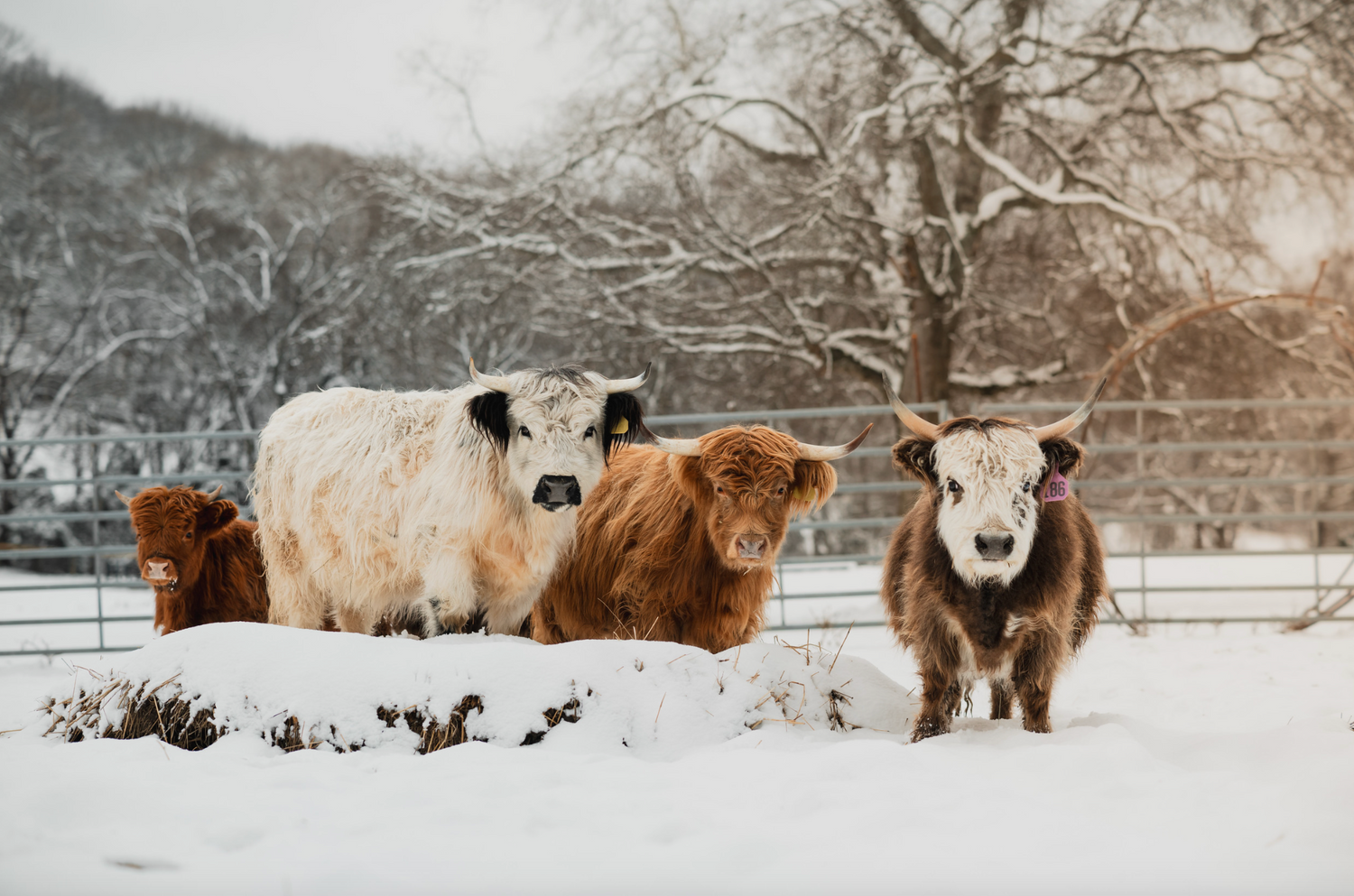
Mini cows are blowing up right now with small-scale farmers, homesteaders, and even families who just want one adorable pet in the backyard.
Whether you're curious about the cost, the care, or whether they really stay that little, this guide has your answers.
Let's dive in!
How Much Do Mini Cows Cost?

The price of mini cows varies depending on breed, age, and pedigree. On average, you can expect to pay anywhere from $1,500 to $10,000 for a mini cow. Rare breeds and registered cows from reputable breeders tend to be on the higher end of the spectrum. Here's a general breakdown:
- Pet-quality mini cows (no breeding rights): $1,500 – $3,500
- Registered mini cows (breeding rights, superior genetics): $3,500 – $7,000
- Rare or specialty breeds: $7,000 – $10,000+
Beyond the initial purchase, mini cows require ongoing expenses like feed, shelter, veterinary care, and fencing, so budget accordingly.
Popular Mini Cow Breeds to Know
"Mini cow" isn't one single breed, it's a whole category. Some, like the Dexter, are naturally small ancient breeds, while others are scaled-down versions of familiar full-size cattle developed through selective breeding.
The International Miniature Cattle Breeders Society and Registry maintains herd books for more than two dozen miniature breeds, so you have plenty of options. Here are the ones you'll run into most often:
| Breed | Origin | Known for | Best for |
|---|---|---|---|
| Miniature Highland | Scotland | Long, shaggy coat and horns; very hardy and friendly | Pets, grazing, that famous "fluffy cow" look |
| Miniature Hereford | United States | Red body with a white face; calm and easy to handle | Beef or a gentle family animal |
| Dexter | Ireland | Naturally small, dual-purpose; one of the oldest small breeds | Milk and meat on one animal |
| Lowline Angus | Australia | Solid black, docile, excellent feed-to-beef conversion | Small-scale beef |
| Miniature Zebu | South Asia | Distinct shoulder hump; heat- and pest-tolerant | Hot climates, light milk, companionship |
| Miniature Jersey | Jersey (Channel Islands) | Classic dairy breed in a smaller package | A manageable family milk cow |
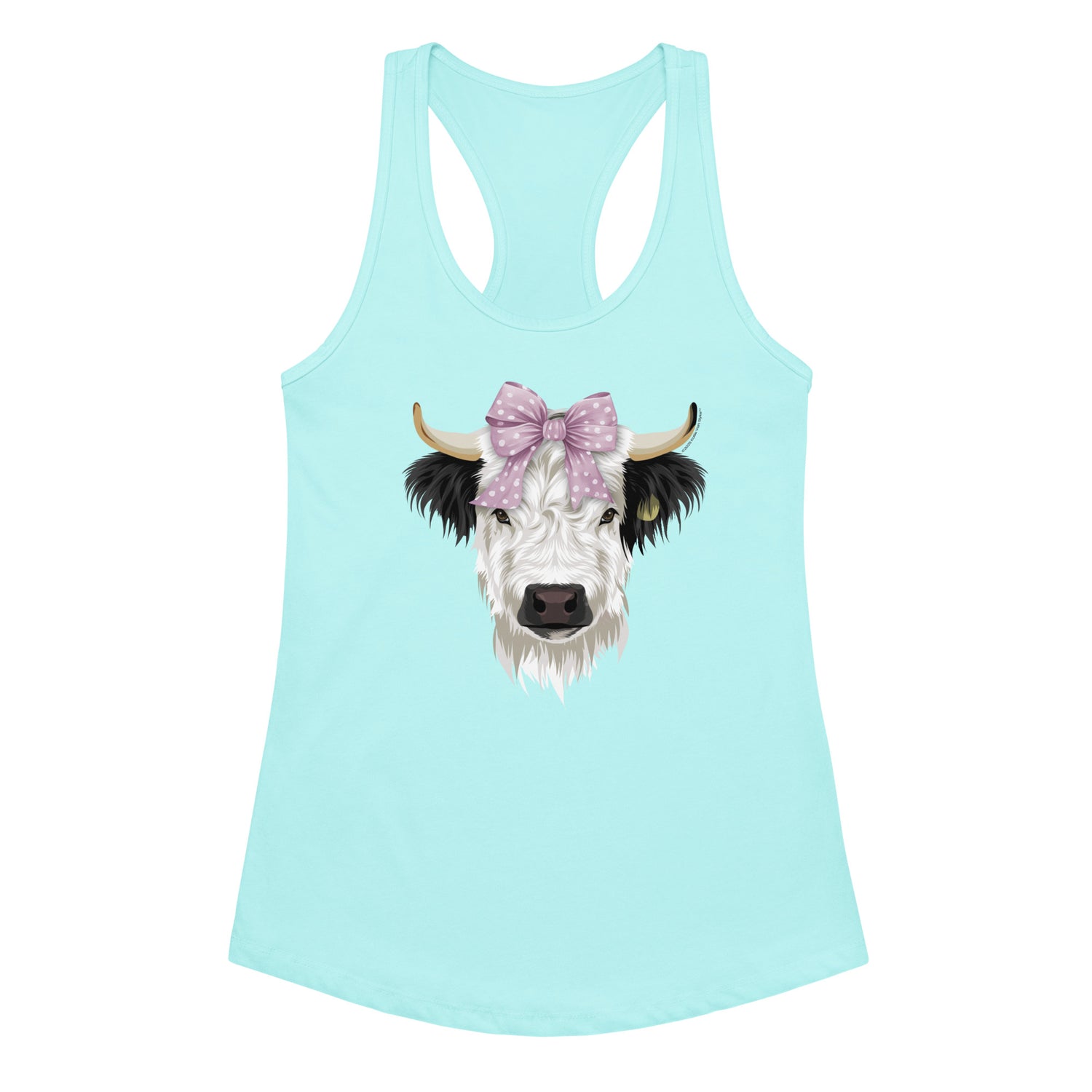
If you love the teddy-bear look, the Highland is the one most people picture, and it's the breed behind Poppy, Petunia, and the rest of the mini cow crew here at Running Springs. You can read more about how Highlands stack up against another popular choice in our guide to the differences between miniature Highland and miniature Hereford cows.
Smitten with the fluffy ones already? Poppy and Petunia have a whole Mini Cows collection named after them.
Are Mini Cows Good Pets?

Yes! Mini cows can be fantastic pets, especially for those with enough space to care for them properly. Here's why they make great companions:
- Gentle Temperament: Most mini cows are docile, friendly, and enjoy human interaction.
- Manageable Size: Unlike full-sized cows, mini cows are easier to handle, making them ideal for families and small farms.
- Long Lifespan: Mini cows can live 15 to 20 years, providing long-term companionship.
- Great for Homesteads: They produce milk, fertilize the soil, and even help keep pastures trimmed.
However, mini cows require care, training, and a suitable environment. If you're considering one as a pet, ensure you have the time and resources to provide for its needs.
Do Mini Cows Stay Small?
Yes, but their exact size depends on their breed and genetics. Mini cows are generally classified into three size categories:
- Micro Mini Cows: Stand under 36 inches at the shoulder when fully grown.
- Mid-Sized Mini Cows: Range from 36 to 42 inches at the shoulder.
- Classic Mini Cows: Grow up to 48 inches at the shoulder.
Even though they stay smaller than standard cows, mini cows still require ample space, proper nutrition, and routine care to stay healthy and happy.
What Do Mini Cows Eat?
The good news for small farms: mini cows eat the same basic diet as full-size cattle, just a lot less of it, generally about a third as much feed. Their diet is built around forage:
- Grass and pasture make up the bulk of a healthy mini cow's diet during the growing season.
- Hay fills the gap in winter or when pasture runs short. A common rule of thumb is roughly 2 to 2.5 pounds of hay per 100 pounds of body weight each day.
- Minerals (a mineral block or loose minerals) help cover anything the soil and grass miss.
- Fresh, clean water at all times. Plan for several gallons per cow per day, more in hot weather.
One thing worth flagging: because minis are so efficient, it's easy to overfeed them. Too much grain leads to overweight cows, so most pet mini cows do best on a forage-first diet with grain kept as a small treat or supplement.
Day-to-Day Mini Cow Care

Mini cows are lower-maintenance than full-size cattle, but they're still livestock with real needs. A solid care routine covers a handful of basics:
- Shelter: A simple three-sided shed or small barn that blocks wind, rain, and harsh sun is plenty. Highlands handle cold well thanks to that thick coat but still appreciate shade in summer.
- Fencing: Sturdy, secure fencing keeps them safe and contained. Minis are smaller, but a determined cow is still a cow.
- Companionship: Cows are herd animals and get lonely on their own, so it's best to keep at least two.
- Hoof and parasite care: Plan for routine hoof trims and a regular deworming and vaccination schedule with a large-animal vet.
- Daily eyes-on: A quick once-over each day to check for injury, illness, or anything off goes a long way.
We breed our mini Highlands through artificial insemination, and you can follow along with how that first chapter started in our post on mini cow breeding at Running Springs.
Can I Have a Mini Cow in My Backyard?
It depends on your local zoning laws and the size of your backyard. Here are a few things to consider before bringing a mini cow home:
- Space Requirements: Ideally, a mini cow should have at least half an acre of grazing space.
- Zoning Laws: Some urban and suburban areas prohibit livestock, so check with your local authorities.
- Fencing: Sturdy fencing is essential to keep your mini cow safe and contained.
- Shelter: Mini cows need a shelter or barn to protect them from extreme weather.
If you have a small homestead or mini farm, a mini cow can be a great addition, but make sure your setup is suitable for their needs.
Do Mini Cows Produce Milk?
They can, with a big caveat: like any cow, a mini cow only makes milk after she's had a calf, and she'll need to calve again roughly once a year to keep producing. So a milk cow is a longer-term commitment than a pet-only mini.
The upside is the volume. A standard dairy cow can flood a family with milk, but a small-breed dairy cow like a Mini Jersey produces a much more manageable amount, often around a gallon to a gallon and a half per milking, which is plenty for drinking with some left over for butter or cheese. Worth knowing: the fluffy Highland is primarily a pet and grazing breed, so if a steady milk supply is your goal, a dairy-focused mini like a Jersey is the better fit.
Final Thoughts: Are Mini Cows Right for Your Mini Farm?
Mini cows are adorable, practical, and can be a wonderful addition to your homestead or mini farm. Whether you want a lovable pet, a milk-producing companion, or an eco-friendly lawnmower, these pint-sized bovines are an excellent choice. Just be sure to do your research, prepare your space, and understand the costs involved before bringing one home!
Want to see how it all works in real life? You can read more about me and the farm, meet our originals Poppy and Petunia, or browse the most-asked questions on my FAQ page.
Frequently Asked Questions About Mini Cows
How long do mini cows live?
With good care, mini cows commonly live 15 to 20 years. That's a real long-term commitment, closer to a horse than a dog, so it's worth being sure before you bring one home.
How much land does a mini cow need?
A common guideline is about half an acre to an acre of grazing space per mini cow, depending on your pasture quality and climate. Poorer pasture means you'll lean on hay more and may want a little extra room.
Can you keep just one mini cow?
It's not ideal. Cows are herd animals and do much better with a buddy, so most owners keep at least two. A lone cow can get stressed and lonely.
Are mini cows hard to take care of?
They're generally easier than full-size cattle thanks to their size and calm nature, but they still need daily attention, shelter, secure fencing, fresh water, and routine vet, hoof, and parasite care. "Easier" isn't the same as "no work."
Do mini cows make good pets?
Many do. Breeds like the mini Highland are known for being gentle and people-friendly, which is a big part of why they've taken over everyone's feed. The key is enough space and the time to care for them properly.




3 comments
What grooming items should I have and food before I bring my little man home?
Cani oboes be kept in a Pattie with horses
We are moving to a home on five acres which is an agricultural 1 area. We are newbies on an adventure and have no idea how to have mini cows! Thanks for any info you can give us!